Fontein Cave Visitor Rules: What Applies and Why
Fontein Cave is small. You can cross the public chamber end to end in about twelve minutes, and in those twelve minutes you pass the only Arawak rock art that most visitors to Aruba ever see at arm’s length. The painted panels are somewhere between 500 and 1,000 years old, and the margin between a good visit and a damaging one is roughly the width of a fingertip. Hence this page.
Two sets of rules apply when you visit Fontein Cave. The first is cave etiquette: what you may touch, photograph, carry and disturb. The second is Arikok National Park policy, which governs the gate, the road in, the speed limits and the closing times. Break the first and you remove something irreplaceable. Break the second and a ranger walks you back to your car, and I have watched that happen twice in eight years. Both occasions involved a camera flash and a stubborn argument.
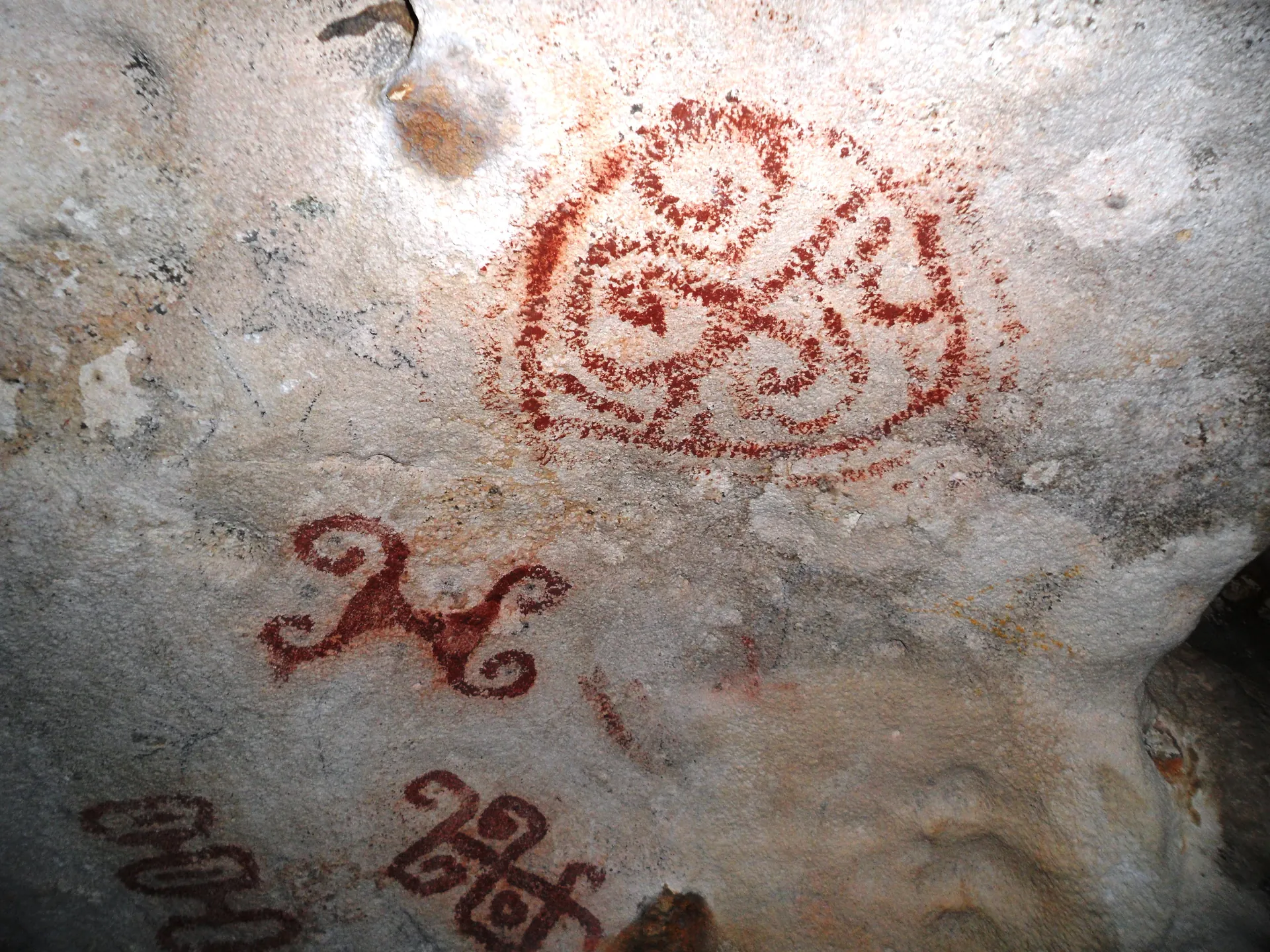
The drawings at Fontein are not painted onto stone. They are part of it, and every hand that rests on them takes a little more away.
The One Rule That Matters Most: Hands Off the Arawak Drawings
The dark figures and spirals on the Fontein panels were worked with a pigment that most published readings trace to bat guano mixed with plant material. Guano pigment sits on the limestone rather than soaking into it, which is why the drawings have survived this long in a dry cave, and also why they are so easy to lose. Skin oil, sweat and sunscreen residue (the sort that ends up on your fingers after you have applied SPF 50 in the car park) work into that surface, darken it, and flatten the contrast between drawing and rock. Abrasion finishes the job. One graze with a fingernail lifts pigment that took hours to mix and apply.
Rangers know this, so Fontein has a rail. Iron and timber line the walkway, and where the rail gives way there is a painted line or a low rope with the same meaning. The public chamber at Fontein is compact enough that you can see every panel from behind those markers, and the daylight coming in from the entrance does most of the lighting work for you between roughly 10am and 2pm.
- No hands on the panels, the limestone or the formations, not even with a knuckle or a shirtsleeve. Cotton fibres are abrasive against guano pigment.
- Point with an open hand from behind the rail. It sounds precious until you watch a ranger do it with a group of twenty and realise it works perfectly well.
- Keep backpacks, tripods, selfie sticks and walking poles inside the marked area. A bag swung off a shoulder has removed more paint from cave walls than deliberate vandalism ever has.
- Wipe your palms on a cloth before you step inside if you have been handling sun cream, insect repellent or hand sanitiser.
- Report fresh damage or graffiti to a ranger or at the San Fuego entrance. The park logs it, and the log is what secures conservation funding.
What Attacks a Petroglyph Fastest
Oils from human skin come first, because they arrive with every curious visitor and they change how light reflects off the rock. Sunscreen residue is second, and it is worse in the wet season when hands are damp. Direct abrasion is third and it is instant. All three are entirely avoidable.
Build the Point-Don’t-Touch Habit
Drill it before you go in. Hands stay clasped or behind your back, the way you would behave in a cathedral treasury. Follow the same discipline at the Quadirikiri and Guadirikiri caves, where the same rules apply and there is often no ranger watching. See the comparison of Aruba’s best caves for what changes from site to site.
Inside the Cave: Light, Sound and the Residents
Fontein’s cooler rear chambers hold roosting bats, and several species use the caves across Arikok. They are not an inconvenience to be shooed away. They are the reason the cave has a functioning ecosystem at all, and they are protected under Aruban nature legislation. Bat Conservation International publishes the standard guidance on roost disturbance, and the short version is: no flash at bats, ever, at any cave on the island.
Flash on the painted panels is prohibited wherever signage says so, and the signs at Fontein are not decorative. Repeated flash heats the surface and the ultraviolet component accelerates fading in guano-based pigment. Flash at a roosting bat is a different problem: it wakes the animal, disorients it, and burns energy it cannot spare in a desert where food is seasonal. A mammal losing an hour of sleep in a food-scarce landscape is a real cost, not a theoretical one.
- Point torches and phone lights at the floor and at the walls you are walking past. Do not sweep a beam across the ceiling where bats roost.
- Red-filtered light is gentler on roosting animals and, as a bonus, it preserves your night vision.
- Keep voices low. Amplified sound, Bluetooth speakers and loud phone calls are prohibited inside the park boundaries.
- Drones are banned inside Arikok National Park without written permission from the park authority, and permission is rarely granted.
- Never handle a bat, alive or dead. If you find a grounded bat, tell the ranger and walk on.
Heat, Paths, Wildlife and Water: The Outdoor Rules
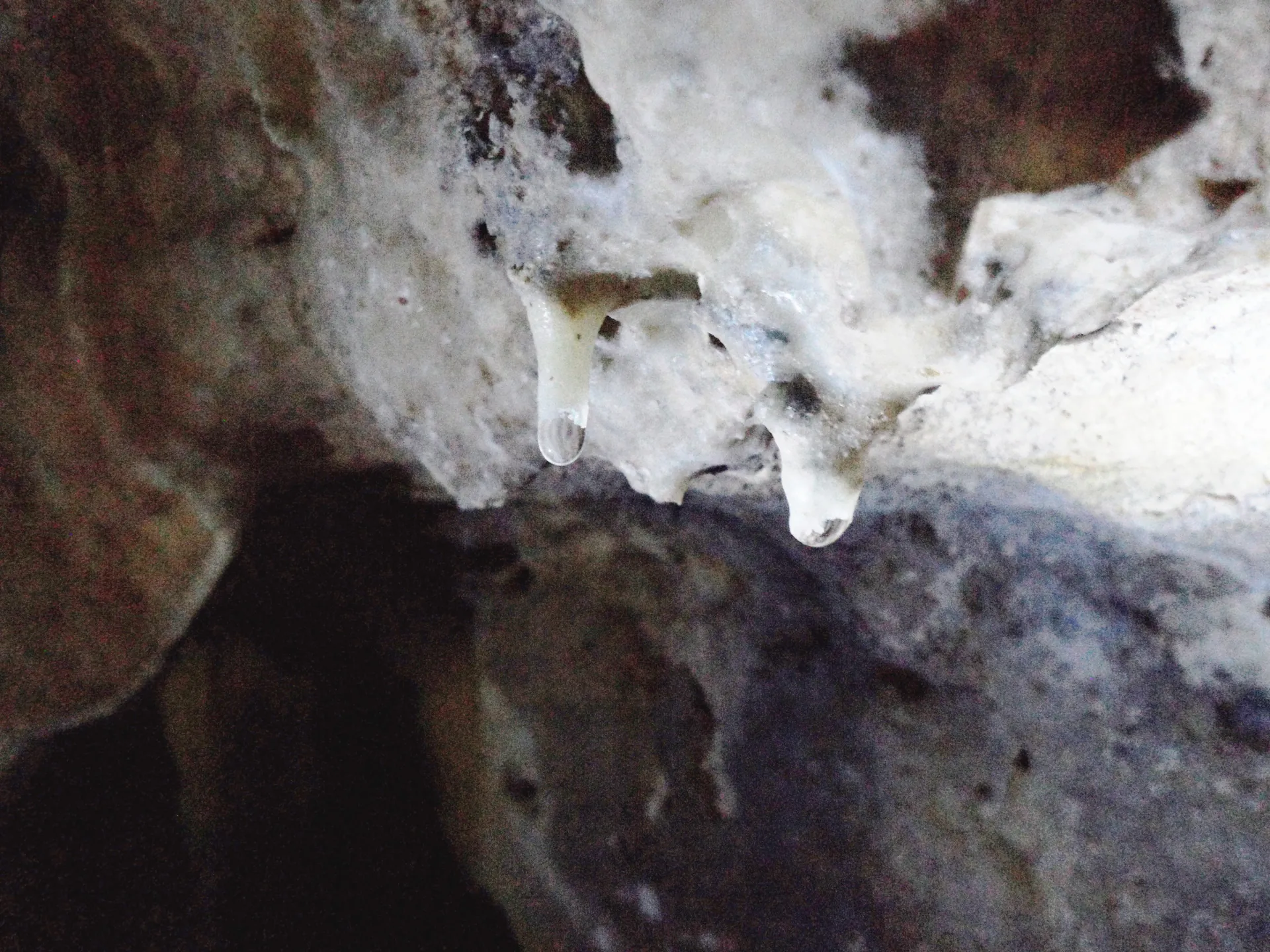
The cave is the cool part of the day. The genuine hazard sits outside it, on the track between the car park and the entrance, and on the northern roads that bring you in. Arikok is desert, the midday UV index regularly hits 11 or 12 between February and September, and there is almost no shade along the Boca Prins road. Dehydration and heat exhaustion land more visitors in difficulty here than any cave feature ever has.
Water is the one thing people underestimate. Two to three litres per person for a half-day in the park is sensible, not excessive, and a refillable bottle beats plastic every time because the park has limited waste collection. Apply sun cream before you reach the cave, not inside it, and reapply after you come out. Aruba’s rattlesnake, the cascabel, is endemic to the island and protected: give it a wide berth, do not attempt to move it, and it will almost certainly leave first. The same goes for iguanas, whiptail lizards and the Aruban burrowing owl, which nests in the park and must not be approached, fed or photographed with a flash.
Footwear and Clothing
Closed shoes with grip, ideally trainers or light walking shoes. The cave floor is uneven and slick with guano in places, and the low entry means you will dip your head. Loose sandals and flip-flops are an accident waiting to happen on the walkway. A light long-sleeved shirt helps against sun and mosquitoes on the approach.
Paths and Markers
Stay on the marked route inside the cave and on the designated trails outside it. Do not scramble onto formations, do not shortcut between chambers, and do not enter closed side passages. Park staff close passages for bat roosting, geological instability or both, and they close them quietly so that casual visitors do not treat a rope as a challenge.
Roads and Parking
The northern track needs a 4×4 or an AWD vehicle with real clearance. Off-roading is prohibited because the desert crust takes decades to recover. Park only in designated bays, never in the turning circle at the cave approach, and remember that Aruba’s car rental insurance often excludes unpaved park roads. Check your policy before you commit.
Rules at a Glance
| Rule Area | What It Means in Practice | Why It Exists |
|---|---|---|
| Arawak panels | No touching, leaning or pointing with a finger or object | Guano pigment lifts with skin oil and abrasion |
| Flash photography | Prohibited at painted panels and near bats at all times | UV and heat fade pigment; flash disorients roosting bats |
| Torches and phone lights | Keep beams low and off roost ceilings | Sustained light stresses cave fauna |
| Drones | Banned inside Arikok without written park permission | Disturbs nesting birds and roosting bats |
| Food and drink | Water yes, eating no; no glass containers | Dropped crumbs alter cave ecology |
| Smoking and vaping | Prohibited throughout the national park | Fire risk in desert vegetation and residue on rock |
| Footwear | Closed shoes with grip | The cave floor is uneven and slick |
| Pets | Not permitted inside the cave; guide dogs excepted | Disease transmission to cave fauna |
| Litter | Everything leaves with you | Little decomposes quickly in a dry cave |
| Vehicles | Marked roads only, 4×4 for the northern track | Off-road ruts destroy the desert crust |
| Park gates | Closing times shift by season; do not get locked in | Staff safety and emergency access |
Guided Versus Self-Guided: What You May and May Not Do
Fontein Cave is ranger-managed, and what that means on any given day depends on staffing and season. When a ranger is posted at the cave, entry is included in your park admission and you usually walk through at your own pace, but you go in when they say and you follow their instructions on flash, bags and noise without debating it. At other times access is ranger-led only, typically in small groups of ten to fifteen, and the briefing takes five minutes before you enter. During maintenance or bat-sensitive periods the cave closes with little notice, and no amount of tour booking changes that.
Self-guided access applies to the wider park: the trails, the dunes, the viewpoint above the Natural Pool. It does not apply to the painted chamber at Fontein when a ranger is on duty. If you are booking through an operator, park entry is normally bundled into the price, which is worth knowing before you pay twice. Compare tour options and prices if you want the cave paired with the Natural Pool and Baby Beach on a single jeep day, and see the Arikok National Park guide for how Fontein fits into a half-day or full-day itinerary.
Pro Tips Before You Drive In
- Arrive before 9.30am or after 3pm. Midday heat is a bit of a faff, and the tour convoys hit the cave between 10am and 1pm.
- Fill your water bottles in Oranjestad or Santa Cruz. There is no reliable drinking water inside the park.
- Download an offline map before you leave the hotel. Phone signal drops out across large stretches of Arikok, and the Fontein Cave location guide has coordinates you can save.
- Check the park’s opening hours for the day you are going, because they shift with the season and with public holidays.
- Bring a headtorch as well as your phone. You will want both hands free on the walkway.
- Wear the shoes you would wear on a wet British footpath in November, not the ones you wore to the beach.
Children, Families and Accessibility
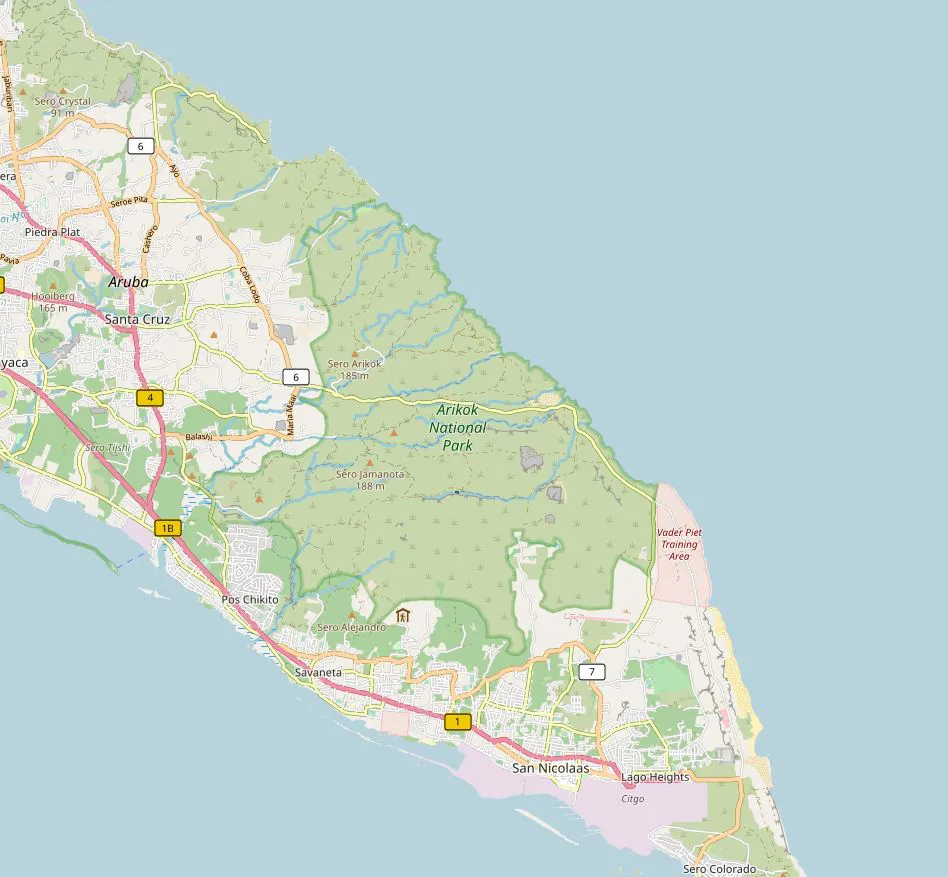
Children are welcome at Fontein and generally handle the cave better than adults do, provided an adult stays within arm’s reach the whole way through. The low entry, the uneven floor and the dark corners are not a playground. Running is the single most common cause of minor injury inside the cave, and the rangers will ask a family to leave if it continues.
Accessibility is honest rather than generous here. Fontein Cave is not wheelchair accessible. The approach path is sandy and uneven, the entrance requires a stoop, and the interior floor is slick in patches. Visitors with claustrophobia, balance issues or a fear of enclosed dark spaces should look at the wider park instead, which has flat viewing areas and shaded picnic spots closer to the San Fuego entrance. Anyone with a heart or respiratory condition should treat the walk in from the car park as the real exertion, not the cave itself.
Visitor Rules FAQ
Can I touch the Arawak drawings at Fontein Cave?
No, and the prohibition is absolute: no hands, no knuckles, no sleeves and no camera bodies against the panels. The drawings are worked in guano-based pigment that sits on the limestone surface, so skin oils, sweat and sunscreen residue flatten the contrast and abrasion lifts the pigment. Point from behind the rail with an open hand, and read the history of the Arawak drawings for the full conservation context before you visit.
Do I need a guide to visit Fontein Cave?
No guide is required when a ranger is stationed at the cave, and entry is then included in your standard Arikok park admission with no separate Fontein Cave ticket. Access becomes ranger-led only during bat-sensitive seasons, maintenance closures or low-staffing periods, and you follow that instruction without argument. Guided jeep tours from US$78 to US$139 (roughly €72 to €128) bundle park entry, transport and a guide, which suits anyone without a 4×4 or a tolerance for unpaved roads.
Why is the cave pool in Aruba closed?
Swimming at the natural cave pool and the adjacent Natural Pool (Conchi) inside Arikok has been closed or heavily restricted since 2019, and that restriction remains in force at the time of writing, on safety and conservation grounds rather than popularity. The site sits at the end of a rough northern track with no easy emergency access, and heavy foot traffic was degrading the surrounding rock and pool ecology. Read the full status breakdown in the cave pool closure guide before you build a day around it.
How much does it cost to enter Arikok National Park?
Park entry is around US$11 per adult (roughly €10), with children under 12 usually admitted free, payable at the San Fuego or Vader Piet gate, and Fontein Cave carries no separate admission charge once you are inside. Prices and opening hours are set by the park authority and change with the season, so confirm the current figure at the Aruba National Park Foundation before you drive out. Budget another US$15 to US$25 per vehicle per day if you are hiring a 4×4 for the northern track.
What should I wear and carry to Fontein Cave?
Closed shoes with grip, a light long-sleeved shirt, two to three litres of water per person, a headtorch and a hat are the essentials for a Fontein Cave visit. Flip-flops, loose sandals and open-toed footwear are unsuitable for the slick walkway and the sandy approach path, and glass containers are best left in the car. Sun cream goes on before you enter, never inside the cave, and a small cloth is worth carrying so you can wipe your palms before you go in.
What to beware of in Aruba when visiting the caves?
The main things to beware of on an Aruba cave day are heat exhaustion, unmarked park tracks and rental car insurance that excludes unpaved roads, not crime or wildlife. Midday temperatures inside Arikok regularly exceed 32°C with a UV index of 11 or above, phone signal is patchy, and the northern route demands a genuine 4×4 rather than a small hatchback. Watch for the endemic Aruban rattlesnake on footpaths, never handle or feed wildlife, and turn back if the track looks beyond your vehicle, because that decision is always the correct one.
Is Fontein Cave worth visiting inside Arikok National Park?
Yes, Fontein Cave is worth a dedicated stop because it holds the island’s most accessible Arawak rock art alongside limestone formations that look like melted candles in an old cathedral. The cave takes about twenty minutes including the briefing, so pair it with Quadirikiri, the Arikok visitor centre and a coastal viewpoint for a proper half-day. Allow around an hour of driving from Palm Beach or Noord each way, and see how to get to Fontein Cave for the routes and timings in detail.
Official Sources and Further Reading
Rules pages go stale, and the ones visitors screenshot are exactly the ones that need to stay current. Check the primary sources below before you travel, particularly for opening hours and pool access, both of which change seasonally.
- Aruba National Park Foundation for park entry fees, opening hours, closures and ranger-led access at Fontein Cave.
- Aruba Tourism Authority for island-wide visitor information, transport options and seasonal event calendars.
- Government of Aruba for nature protection legislation and protected area designations.
- Monuments Fund Aruba for heritage conservation work, including rock art and archaeological sites.
- Bat Conservation International for guidance on roost disturbance and responsible cave behaviour.
Within this guide, the photography and formations page covers low-light technique and ethical captioning, the Arikok fees guide breaks down what you actually pay at the gate, and the main FAQ answers the broader trip-planning questions that do not belong on a rules page.