Aruba Cave Pool Closure: Status & Alternatives
Aruba Cave Pool Closure: Status and Safe Alternatives
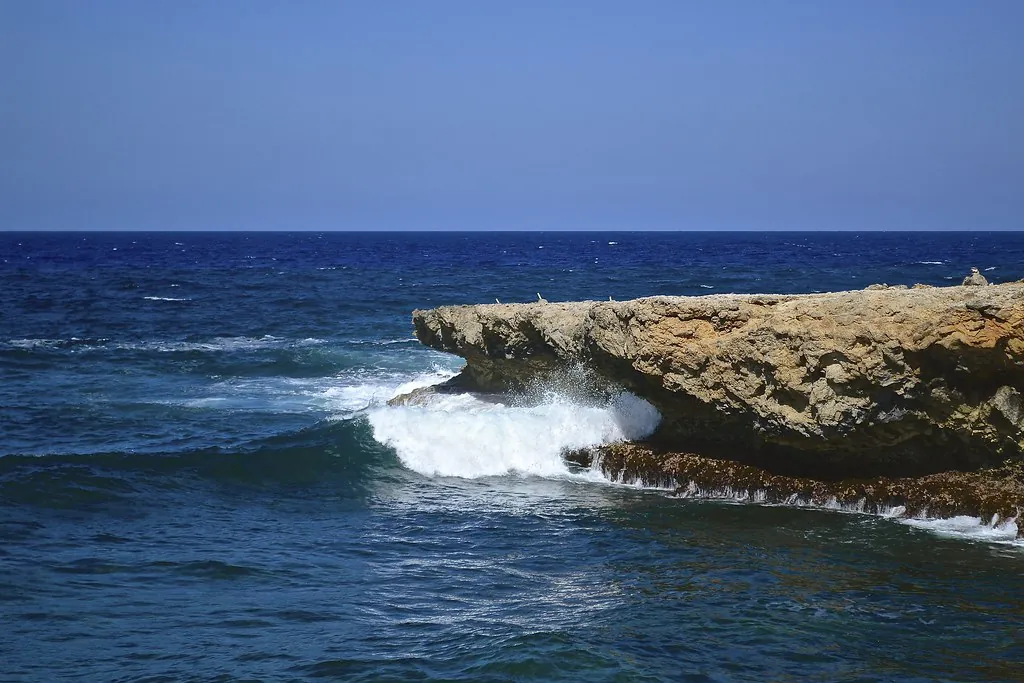
Aruba’s cave pool closed to swimmers in 2015 and it has stayed closed. The place nearly everyone means when they search for the aruba cave pool closed is the Natural Pool on the island’s windward shore, known as Conchi in Papiamento (the word describes a shell or a bowl), and the ban on entering that water has held for more than a decade.
The muddle comes from naming. Three labels circle the same basalt basin, and years of recycled blog posts have turned a straightforward conservation decision into something stranger. Fontein Cave Aruba gets pulled into the confusion too, usually by writers who have stood in neither place.
Here is the plain version before the detail. You cannot swim at the Natural Pool. You can normally look down at it from the rim on a permitted guided 4×4, sea conditions and park notices allowing. The caves are open, and honestly, the caves are the better half of the day anyway.
The broader park picture, including fees, opening hours and how the pool fits into a half or full day, lives on our Arikok National Park and cave pool status page. If you want short answers with numbers attached, the Fontein Cave FAQ is the quicker read.
What “Closed” Actually Means in Aruba
Closure is not one switch. Three separate permissions govern the Natural Pool, and travellers mix them up constantly, which is why one person reports a locked gate while another posts holiday photos from the same week.
- Swimming: banned outright since 2015. There is no waiver for confident swimmers and none for tour guests.
- Standing at the rim: permitted only with a licensed operator or a park ranger, and cancelled when the swell turns.
- Driving the access track: shut to ordinary rental cars. Only park-authorised 4x4s and permit holders use it.
When somebody asks whether the cave pool is still open in Aruba, the answer depends entirely on which of those three they mean, and any guide that answers with a flat yes or no is guessing.
Cave Pool Status at a Glance
| Activity | Current Position | Notes |
|---|---|---|
| Swim in the Natural Pool (Conchi) | Prohibited since 2015 | No lifeguards, no mobile signal, unpredictable swell |
| View from the rim | Guided access only | Operations pause in heavy seas |
| Self-drive the access road | Closed to private vehicles | Rental contracts exclude unpaved tracks |
| Guided 4×4 or jeep tour | Running, roughly €70 to €130 per person | The only reliable way to reach the rim |
| Visit Fontein Cave | Open daily, covered by the park fee | €10 / ~$11 adult admission for the whole park |
| Visit Quadirikiri Cave | Open daily | Staircase entry, two chambers, easy visit |
| Walk in via the Daimari entrance | Not a public shortcut | North gate for permitted operators and rangers |
Where the “Cave Pool” Is, and Why the Name Causes Trouble
Conchi sits on Aruba’s north-east coast, inside Arikok National Park, the protected tract that covers roughly a fifth of the island. The surrounding rock is a mix of ancient lava and limestone, worn into a bowl by Atlantic swell that pounds this shore without pause. Waves break over the rim at high tide, which is exactly how the basin fills and empties.
Nothing here is a cave in the strict sense. The pool is an open rock trap, not a submerged grotto, and there is no underground chamber with a swimming hole anywhere in Arikok. That small geological fact is the root of a decade of bad directions.
- Natural Pool: the official English name, used by the park and by tour operators.
- Conchi: the Papiamento name you will hear from drivers and rangers.
- Cave pool: the informal label travellers use, and the one that sends people looking for something that does not exist.
Why It Closed, Part One: The Safety Record
The mechanics of the danger are dull and entirely predictable, which is precisely why they were ignored for so long. Conchi is an exposed windward basin. Waves arrive in sets, and the tenth or fifteenth wave in a sequence can be twice the height of the ones before it. A swimmer inside the bowl has no view of what is coming.
Add the practical geography. There are no lifeguards on this coast, mobile coverage is patchy to non-existent in the park’s northern reaches, and an ambulance from Oranjestad cannot drive to the rim. The island’s main referral hospital, Dr. Horacio E. Oduber Hospital, is a long way from a basalt bowl with no road access.
Fatalities occurred. I will not dress the details up, and there is nothing useful in repeating them. What matters is that the ban came from a pattern rather than a single accident, and the people who run these tours now were the first to support it.
Why It Closed, Part Two: The Ecological Case
Swimming was only half the problem. A tidal basin the size of a small living room cannot absorb thousands of feet each season. The rim rock is soft, layered and easily crushed, and the access path above it had begun to widen year on year as visitors cut the corners.
Sunscreen residue and litter are harder to picture but easier to measure. Anything dropped in the bowl either washes out to sea or stays wedged in the rock until somebody risks their footing to fetch it. Off-road traffic on the surrounding terrain does the rest, scarring the ground that anchors the whole cove.
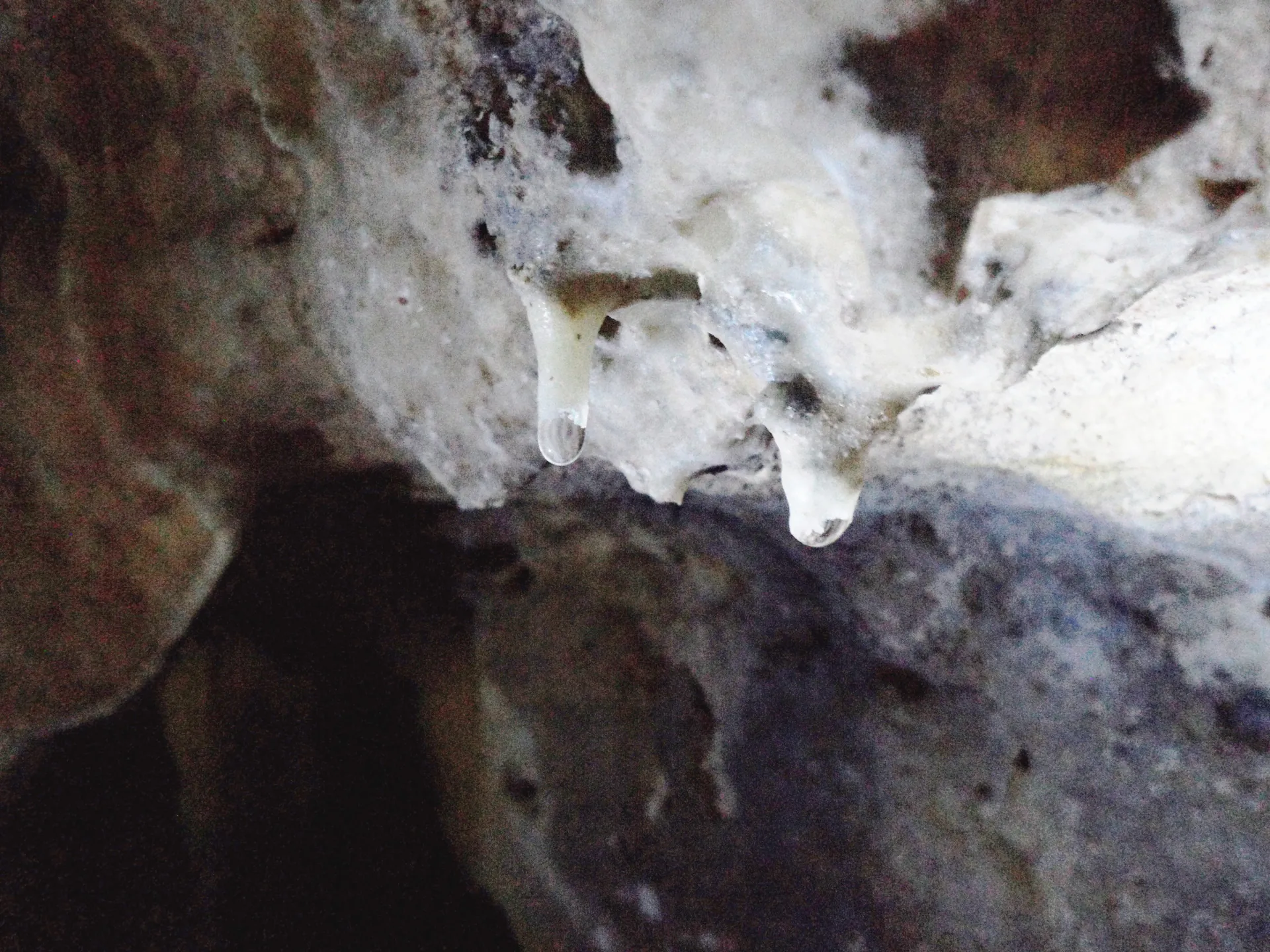
Reading the rocks inside Fontein Cave tells the same story at a slower pace. The stalactites there, pale and ribbed, look like melted candles in an old cathedral, and each centimetre took centuries of drip to build. Touch one and you leave an oil print that stops the growth at that spot.
Any Aruba cave pool guide written before 2025 is a coin toss. Check the park’s own channels the week you travel.
The Closure Timeline, 2015 to 2026
The chronology below reflects the broad pattern rather than a set of press releases, and I have kept the wording plain where the public record is thin. Treat each line as a checkpoint to confirm with the park before you build a day around it.
- 2015: swimming banned at Conchi after a run of drownings; warning signage installed at the rim.
- 2016 to 2018: tour operators required to hold park permits; unauthorised access begins to be turned back.
- 2019: private vehicles restricted on the northern track, with ranger checks at the entrances.
- 2020: the park shuts during the pandemic and reopens with tighter group limits.
- 2021 to 2022: guided-only access settles in as the working arrangement, and park fees are revised.
- 2023 to 2024: weather closures become routine, with operators stood down on heavy swell days.
- 2025 to 2026: position unchanged to my knowledge, no swimming, guided rim viewing, access road closed to the public.
Is It Open Right Now? A Sixty-Second Check
Rather than publish a date-stamped answer that rots within a month, here is the method I use myself before promising anything to a group.
- Ring the park office, or message the official Arikok channels, and ask about the Natural Pool specifically, not the park in general.
- Check the Aruba National Park Foundation site for notices on closures and road conditions.
- Look at the sea forecast. Anything above a moderate swell usually means the rim section is cancelled.
- Ask your tour operator when they last ran the route. A good operator answers without hesitation.
- Cross-check with a second source, then ignore everything else you read online.
The Access Road Reality Check
The track out to the north coast is rough, rutted and regularly graded, and it is not a shortcut for a compact hire car. Rental agreements in Aruba exclude unpaved roads in writing, and the exclusion voids your insurance the moment a wheel leaves the tarmac. I have watched a family in a Nissan Micra turn back at the first rock step, and I have also watched a tow truck winch a sedan off a ledge two kilometres further on.
- Damage caused off-road is charged to you, not to the rental company, regardless of the cover you bought at the desk.
- Recovery vehicles cannot always reach the northern section quickly, and you may wait hours in full sun.
- Mobile signal fades past the visitor centre, so a breakdown means walking or flagging a passing tour truck.
- Punctures are the common failure, and the spare is often a space-saver rated for tarmac only.
Safe Alternatives Near Arikok
The good news is that Aruba’s caves need no swimming at all, and the park’s road network puts three of them within a single morning. Each one asks something slightly different of you.
Fontein Cave
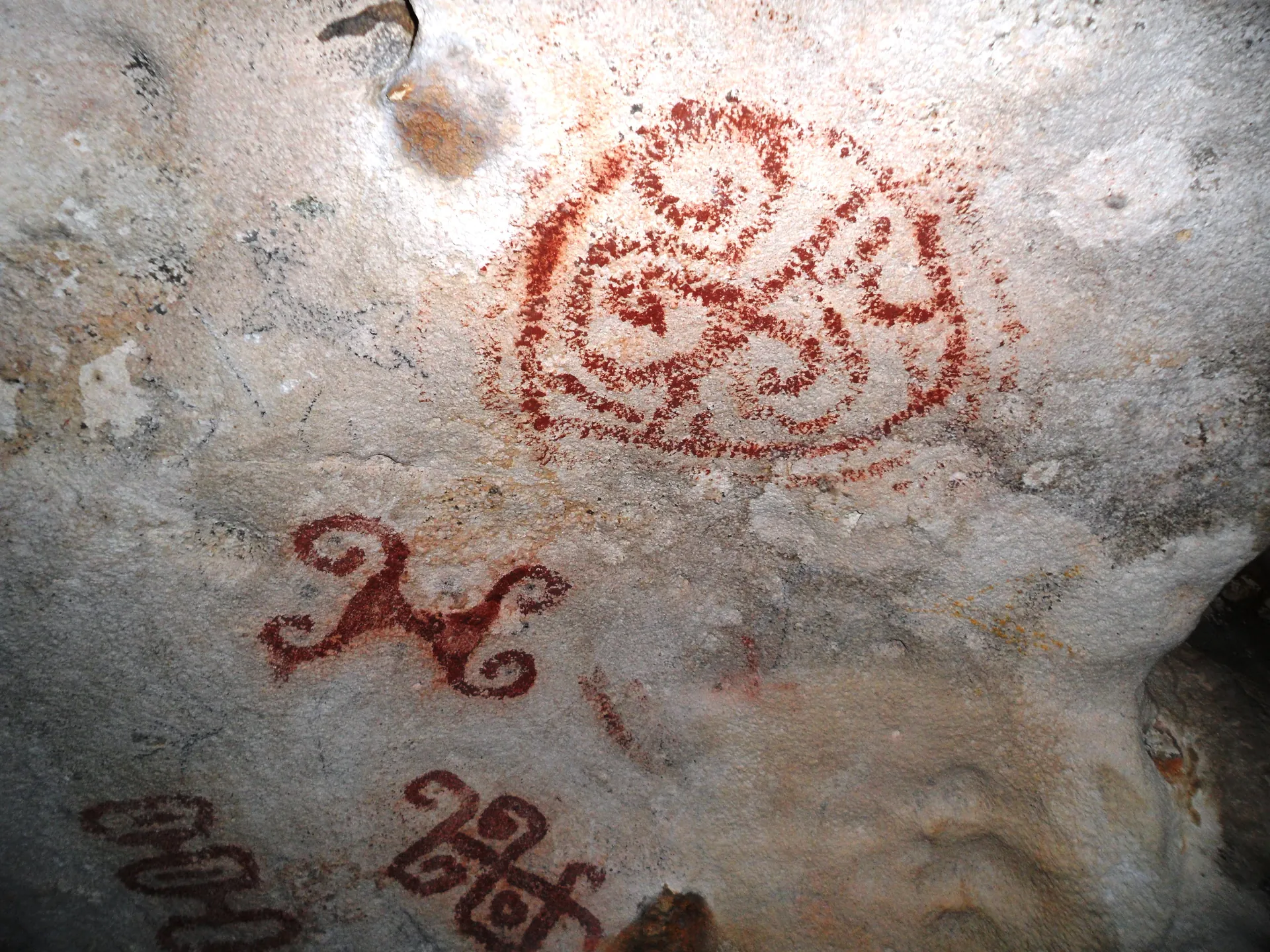
A flat two-minute walk from the car park, then a ranger with a torch and a set of Caquetío drawings on the ceiling. The petroglyphs are faint, geometric and properly haunting once your eyes adjust. Tapirs, spirals, human figures, all painted or scratched by people who reached this coast long before any European ship did.
Quadirikiri Cave
Two chambers and a staircase, with daylight dropping through a hole in the roof of the second one. The climb is short and the reward is a shaft of light straight through the middle of the cave. Faint drawings survive in the darker passage, and the resident bats keep to the ceiling.
Huliba Cave (Tunnel of Love)
Guided only, with a ladder, a headtorch and a heart-shaped entrance that gave the place its nickname. It suits anyone comfortable on hands and knees. No drawings here, just a long passage through limestone and a genuine sense of having crawled somewhere.
Alternative Caves Compared
| Cave | Drawings | Access | Best For |
|---|---|---|---|
| Fontein Cave | Yes, Caquetío petroglyphs | Flat walk, ranger on site | Rock art and first-time visitors |
| Quadirikiri Cave | Faint markings | Staircase into two chambers | Light shafts and easy walking |
| Huliba Cave | None | Guided only, ladder entry | Adventurous half-day trips |
| Lost Cave Aruba | Replica and projection work | Commercial attraction in Oranjestad | Rainy days and young children |
For a fuller comparison of burial caves, tunnels and the San Nicolas sites, see our guide to the best caves to visit in Aruba beyond Fontein. If the pool closure has changed your budget, the breakdown on Arikok fees and entry tips covers exactly what the park admission includes.
Rules That Apply at Fontein and Every Other Cave
Park rules are short and the rangers enforce them, partly because the resource is fragile and partly because the alternative is a locked gate. The etiquette is not complicated, but it is worth knowing before you arrive.
- Never touch the Arawak drawings. Skin oils destroy pigment that has survived a thousand years of humidity.
- No flash photography where notices prohibit it, and no tripods blocking the passage.
- Stay on marked paths. The cave floors are uneven and the exterior ground is a nesting site for iguanas and birds.
- Carry at least a litre of water each. Midday heat inside Arikok is a bit of a faff even for people who live here.
- Wear closed shoes with grip. Flip-flops on wet limestone are a hospital trip waiting to happen.
- Take every piece of litter out with you, including fruit peel, which does not belong in a desert.
- No drones inside the park boundary without written permission.
The full set sits on our visitor rules and guidelines page, and the cultural background behind the drawings is on the Fontein Cave history page.
Tour buses reach Fontein between 10:00 and 14:00. Arrive at opening, around 08:00, or after 15:00, and you may have the ranger and the drawings entirely to yourself.
Finding Your Bearings Before You Drive
Arikok has two public entrances, San Fuego in the centre of the island and Daimari in the north-east, and the one you choose decides your whole route. San Fuego puts you closest to Fontein and Quadirikiri. Daimari is the northern gate, closer to the coast road, and it is not a public route to the pool.
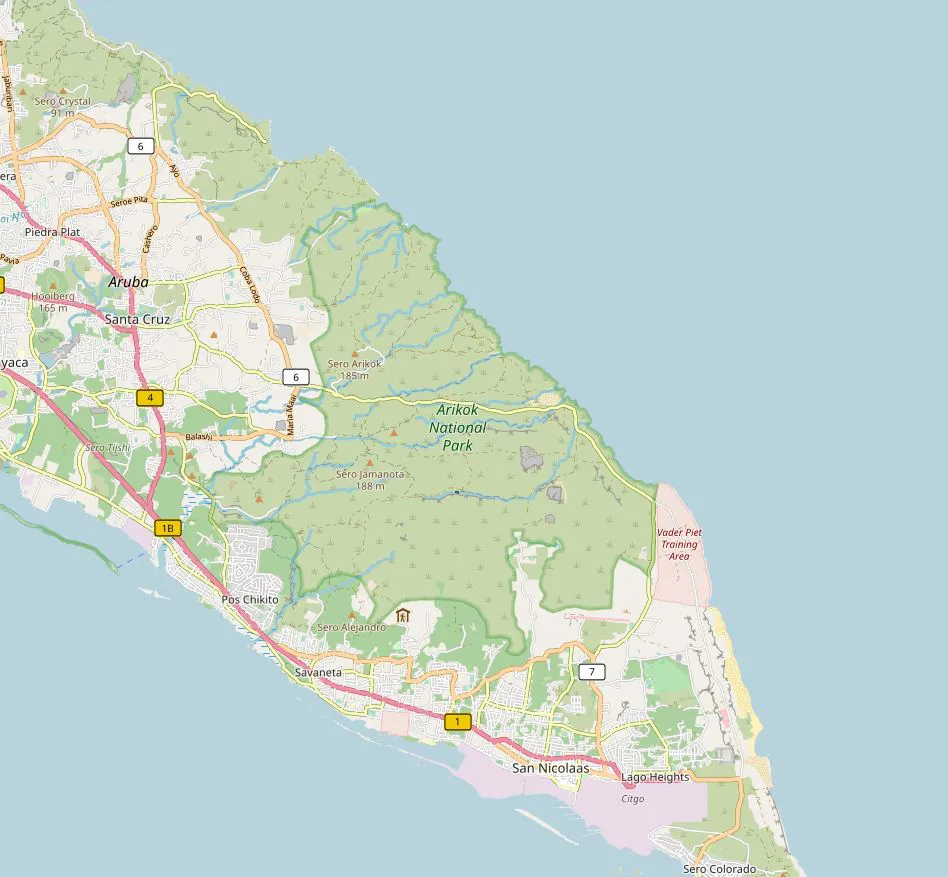
Signal inside the park is unreliable, so download an offline map before you leave your hotel. The Fontein Cave map and location page has GPS coordinates, parking notes and walking distances, and the transport guide covers drive times from Oranjestad, Noord and Palm Beach.
Planning a Realistic Day Around the Caves
A workable half-day looks like this: park entry at San Fuego when the gate opens, Fontein first while the light is soft, Quadirikiri second, then a slow drive north for the coastal views. Bring cash for the entrance booth, fuel up before you leave town, and accept that the Natural Pool rim may be cancelled at short notice.
If you would rather leave the driving to somebody who knows the track, the Signature Natural Pool and Baby Beach Jeep Tour pairs the north coast with a swim at the southern end of the island, which is the closest you will get to a genuine dip on the same day. The longer National Park Arikok Jeep Safari adds the caves and a guided walk through the desert terrain.
For a weather-proof back-up, especially with children, the Lost Cave Aruba immersive cave adventure in Oranjestad runs on a fixed schedule and needs no off-road vehicle.
One last note on casting around for the best caves in Aruba: the trip that satisfies most visitors is Fontein plus Quadirikiri with a ranger, not a two-hour scramble towards a pool you cannot enter. The drawings are the part people talk about on the flight home.
For the official word on park boundaries, opening hours and any change to the Natural Pool position, the Aruba National Park Foundation is the source that counts, with island-wide visitor information at Aruba.com and regulatory notices through the Government of Aruba.