Fontein Cave FAQ: Straight Answers Before You Drive to Arikok
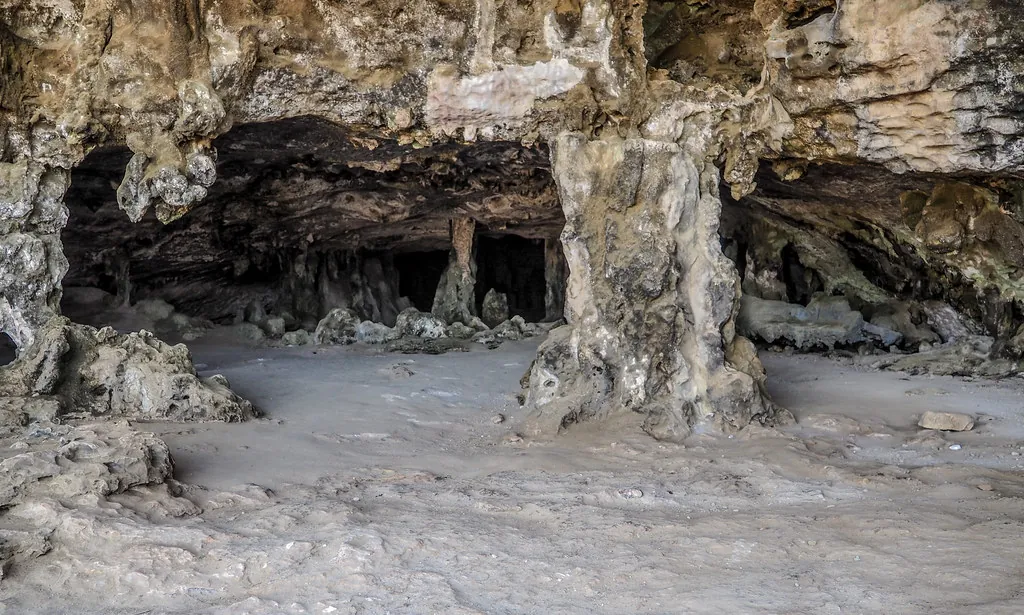
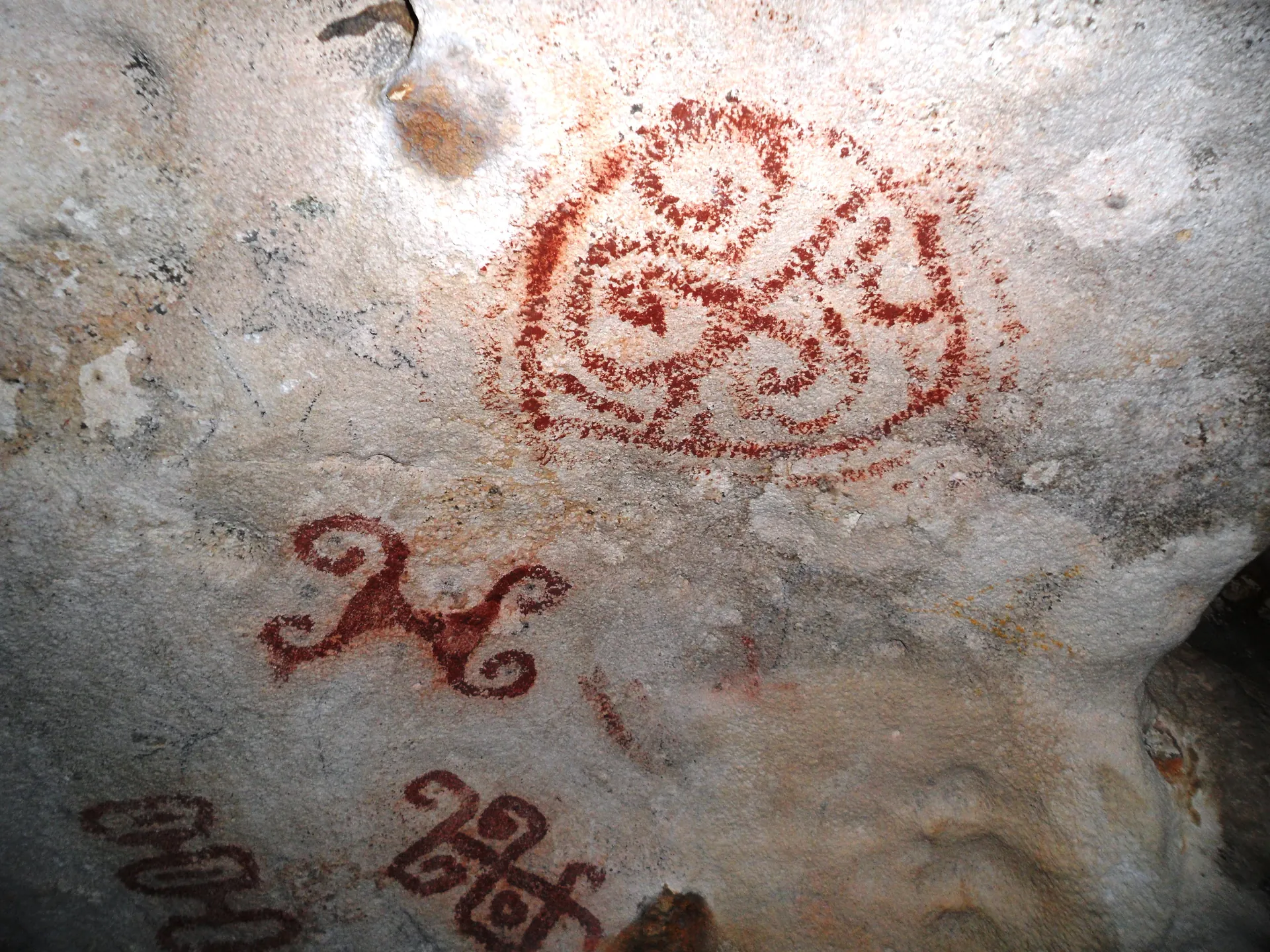
Every answer on this page leads with the fact you came for: the price, the timing, the verdict. I lead small heritage walks through Arikok National Park most weeks of the year, which means I have fielded most of these questions in the San Fuego car park with the engine still running. Fontein Cave is a shallow limestone chamber in the park’s northern half, decorated with Arawak (the Indigenous people of the Caribbean islands) petroglyphs, and it asks for around 40 minutes of your day rather than a full afternoon. The narrative version lives on the main Fontein Cave guide.
Fontein Cave at a Glance
The short version, useful when you are planning a half-day around one cave and a lot of dust.
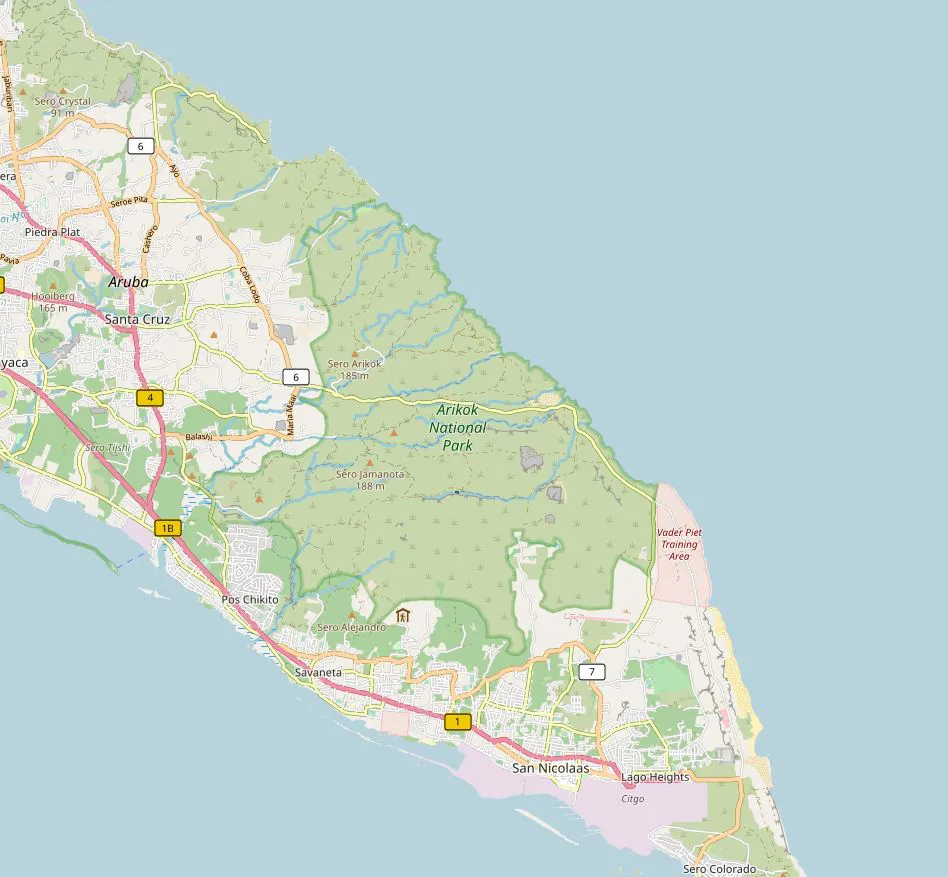
- Where: Northern Arikok National Park, coastal side of the island, closest to the unpaved north gate reached from the Noord road.
- Entry cost: Park admission runs about AWG 20 (roughly $11 / £8.50) per adult, with children under 12 free. Fontein Cave carries no separate ticket.
- Time needed: 40 to 60 minutes on site, of which 20 to 30 minutes is inside the cave itself.
- Guiding: A park caretaker works from the cave mouth during opening hours. Walking the main chamber without a guide is normal and perfectly safe.
- Best hour: 08:00 when the gate opens, or after 15:00. Tour buses cluster between roughly 10:00 and 12:30.
- Cave pool: Closed to swimming, with no reopening date announced, whatever a 2019 blog post tells you.
Arikok National Park & Fontein Cave Logistics
Fees in Aruba move, and park hours shift with the season and with road repairs after rain. Treat the figures below as accurate at the time of writing, then confirm the day before you drive. The Arikok National Park Foundation is the only source I trust for closures.
| Item | Details | My note |
|---|---|---|
| Park entry, adults | AWG 20 (about $11 / £8.50) | Card and cash both work at San Fuego |
| Park entry, children | Free under 12 | Resident rates are lower, bring ID |
| Fontein Cave fee | None beyond park admission | Anyone selling a “cave ticket” is selling you transport |
| Opening hours | Daily from 08:00, closing around 16:00 | Last entry lands mid-afternoon, so do not arrive at 15:45 |
| Time on site | 40 to 60 minutes | Shorter than most first-timers expect |
| Vehicle rules | 4×4 or high clearance for unpaved tracks | Saloon cars stay on the paved road to the visitor centre |
| Group tours | Roughly $49 to $139 per person | Bundle park entry, a 4×4 and a guide |
| Private jeeps | About $299 to $450 per vehicle | Good value for a family of four |
| Photography | No flash on the petroglyph panels | Set your phone before you walk in |
| Cave pool | Closed, no swimming | See the closure status page |
| Facilities | Toilets and water at the visitor centre only | Nothing at the cave, so fill bottles early |
Essential Cave Advice
Before You Step Inside
- Carry at least a litre of water per person. The park has almost no shade and the limestone holds the heat.
- Wear closed shoes with grip. The floor is uneven and slick near the entrance where sand blows in.
- Photograph the information board at the cave mouth first, then set your camera to a low-light mode and switch the flash off.
- Visit at opening time if you want the panels to yourself for ten quiet minutes.
Inside the Cave
- Keep hands off the drawings. Skin oils seal the rock surface and the pigment stops breathing.
- Duck at the threshold. The entrance is low and the rock does not move for anyone.
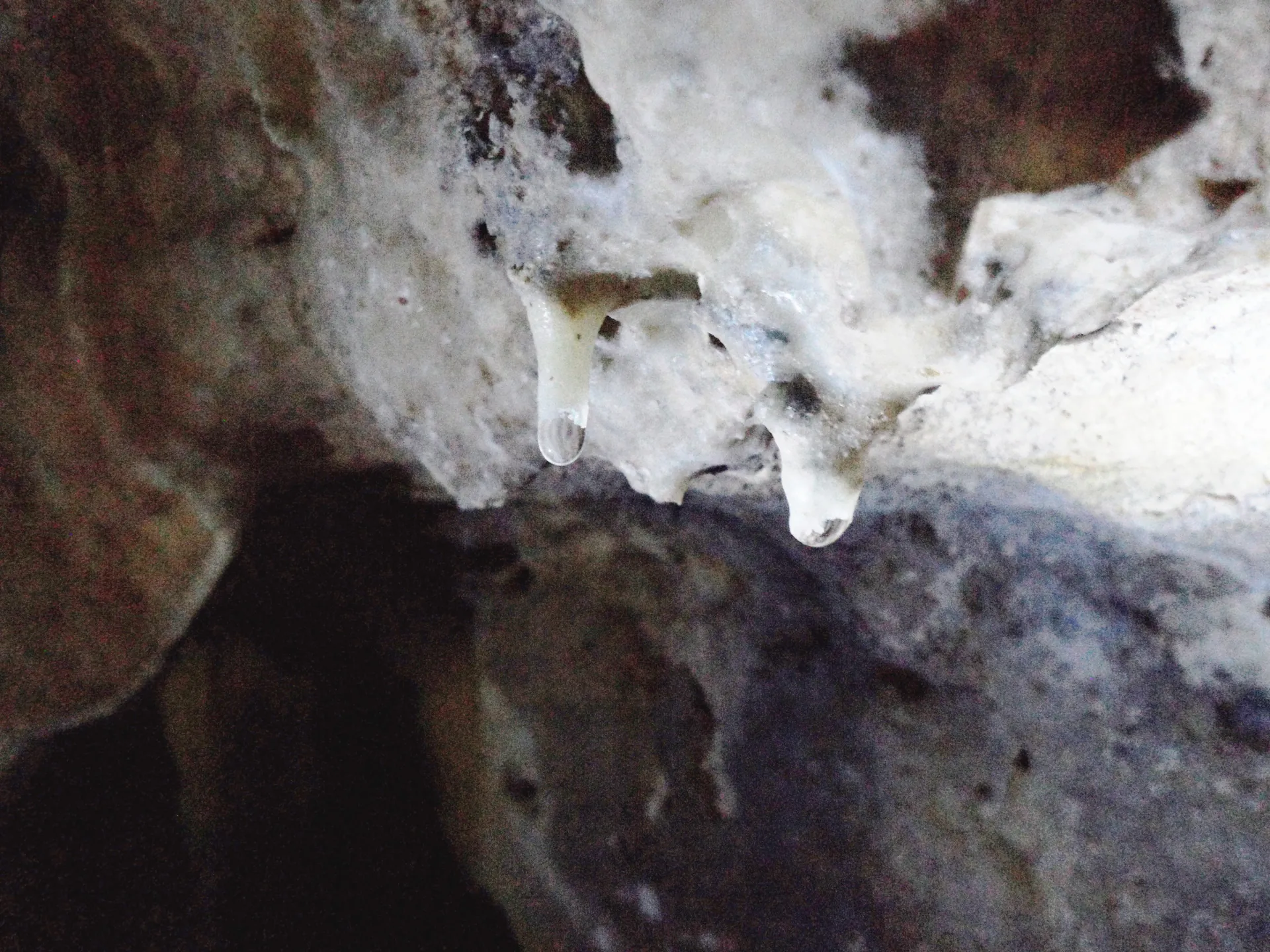
- Stay on the marked floor, because the formations above you are still growing at a rate of millimetres per century.
- Keep your voice down. Sound bounces oddly off a low ceiling and other visitors are sketching or photographing.
Insider tip: the jeep convoys reach Fontein between about 10:00 and 12:30. Arrive at 08:00 or after 15:00 and you will hear dripping water instead of a diesel engine.
The petroglyphs have survived five centuries of weather. They will not survive five seconds of your palm.
Frequently Asked Questions
Why is the cave pool in Aruba closed?
The Arikok cave pool is closed for two reasons: loose rock in the ceiling above the water, and the damage swimmers did to the mineral formations along the rim. Park management treats the pool as a conservation site instead of a swimming spot, so the old steps down to the water have gone and the edge is fenced. Anyone advertising a swim there is working from an outdated blog post. The full timeline is on the cave pool closure status page.
Is the cave pool still open in Aruba?
No. Swimming in the Arikok cave pool is not permitted at the time of writing, and no reopening date has been announced. The only pool in the park where a swim happens at all is the Natural Pool (Conchi, the local name for the rock basin on the north coast), and that depends on swell, tide and whether you arrived with a guide. Check conditions before you build a day around it.
How do I get to the cave pool in Aruba?
The cave pool sits inside Arikok National Park, roughly 15 minutes by 4×4 from the northern coastal gate and close to the Quadirikiri and Guadirikiri caves. You can walk to the rim and look down, but climbing to the water is not allowed. Coordinates, the nearest car park and the walking approach are set out on the map and location page, which is worth downloading before you lose signal.
How much does it cost to enter Arikok National Park?
Arikok National Park entry costs about AWG 20 (roughly $11 / £8.50) per adult, and children under 12 enter free, with Fontein Cave included at no extra charge. That one fee covers the whole park for the day: Fontein, Quadirikiri, Dos Playa, Boca Prins, the visitor centre and every marked trail. Guided packages fold the fee into the ticket price, so you never pay twice. Current breakdowns sit on the Arikok fees and entry tips page.
Do Fontein Cave tickets include a guide?
No. Park admission is the only charge at Fontein, and a caretaker based at the cave mouth walks visitors through during opening hours, mostly to protect the drawings rather than to deliver a tour. If you want the petroglyphs explained, plus hotel pickup and the Natural Pool on the same run, buy a guided package instead: those start near $89 per person and include park entry. Everything available is listed on the tickets and tours page.
Should I book Fontein Cave tickets in advance or pay on-site?
Book online if you want transport, a guide and free cancellation, and pay at the gate if you are self-driving and only need park entry. Viator, GetYourGuide and Headout listings for Arikok let you cancel up to 24 hours ahead and confirm in English, while the San Fuego gate takes cash or card with no booking to worry about. Cruise passengers with four hours ashore should reserve ahead, since the good morning slots sell out first.
Do I need a tour, or can I drive to Fontein Cave myself?
Self-drive works if you have a 4×4 and your own water; a tour works better if you do not. The northern approach to Fontein crosses broken coral and soft sand, so low-clearance rental cars stay on the paved road to the visitor centre and never reach the cave at all. Four people sharing a $109 jeep safari usually spend less than four separate taxi fares, and the driver knows where to park.
What are the best tours and excursions in Arikok National Park?
Arikok tours run from about $49 per person for a cave-focused outing up to $450 per vehicle for a private jeep, and the $89 to $139 band gives the best value. Standouts include the Aruba Jeep Tour covering the Natural Pool, caves and Baby Beach at $89, the National Park Arikok Jeep Safari Adventure from $109, and the Signature Natural Pool and Baby Beach Jeep Tour at $78. Private half-day jeeps at $299 to $450 suit families who want their own pace. The full spread is on the tours page.
How do I get into Arikok National Park?
Arikok has two vehicle entrances: the main San Fuego gate in Santa Cruz, which is paved and the easiest option, and the northern coastal gate reached from the Noord side, which is unpaved and needs a 4×4. Both open at 08:00 and close around 16:00, with last entry mid-afternoon. There is no shuttle inside the park, so arriving on foot means a long walk. Drive times from Oranjestad, Noord and the cruise terminal are on the transport and access page.
Is it worth going to Arikok National Park?
Yes, for a half-day, and the rock art is the reason to go rather than another beach. The park covers roughly a fifth of Aruba, and Fontein holds the island’s most significant petroglyph panels, which you can see without a guide or a long hike. Skip it if you cannot manage uneven ground in high heat, or if your holiday is strictly a sunbed and a cocktail.
What are the best things to do in Arikok National Park?
Build the day around five stops: Fontein Cave for the Arawak drawings, Quadirikiri for its light shafts, Dos Playa and Boca Prins for surf and dunes, and the Natural Pool if the sea is calm. Add the visitor centre at San Fuego for the geology exhibits and a shaded picnic table, then finish at Jamanota, Aruba’s highest point at 188 metres, for the view back across the island. A workable running order sits on the Arikok National Park and cave pool status page.
What is the number one thing to do in Aruba?
For most visitors, the single best thing is a morning at Eagle Beach followed by lunch, and no cave will beat that for ease. My own answer after eight years here is the north-coast Arikok loop: Fontein at opening time, Quadirikiri next, then the Natural Pool if the swell allows. Combine both and you have covered the island’s two finest moods.
What are the best caves to visit in Aruba?
Fontein is the best cave for rock art, Quadirikiri is the best for scale and light shafts, and Huliba plus the Tunnel of Love are the best for anyone who enjoys crawling on their hands and knees. Quadirikiri has two open skylights and a wide, easy floor, which makes it the family favourite. Huliba needs crouching and a guide who knows the route. The side-by-side comparison is on the best caves in Aruba post.
What are some lesser-known places to visit in Aruba?
Ayo and Casibari rock formations, the Bushiribana gold mill ruins on the north coast, and the murals of San Nicolas are the places most visitors skip. Fontein itself counts at 08:00, when the buses have not yet arrived and the cave is yours. For coastal quiet, the sand at Seroe Colorado and the old phosphate ruins near the lighthouse end of the island stay empty on weekdays.
What should I beware of in Aruba?
The sun, the cacti and the rental agreement are the three things that catch people out, in that order. Midday heat in Arikok is a bit of a faff if you have not carried water, spiny cacti line paths where sandals offer no protection, and rental contracts void insurance cover the moment you take a saloon car onto an unpaved park road. Rip currents at the Natural Pool are real on a north swell, and the petroglyphs are damaged by touching, so hands stay at your sides.
Is Fontein Cave safe, and will I feel claustrophobic?
Fontein is one of the easiest caves in Aruba: the entrance is low but wide, daylight reaches most of the main chamber, and you are never more than a few metres from open air. Visitors who hate enclosed spaces usually manage fine, and the ceiling in the public section sits well above head height. Bring a small torch for the inner panels, where the drawings sit in shadow.
How long do you need at Fontein Cave?
Forty to sixty minutes covers the car park, the cave and the photo stops outside, with 20 to 30 minutes inside the chamber itself. Add ten minutes if the caretaker is on hand and wants to point out the panels. Most people pair it with Quadirikiri and finish the pair inside two hours.
When is the best time to visit Fontein Cave?
Be at the cave mouth at 08:00, or come after 15:00, because the tour convoys dominate the middle of the day. Early arrival also means cooler air inside and softer light on the exterior rock, which photographs far better than the harsh overhead sun at noon. Sunset is not an option, since the park gates close in the late afternoon.
Can you swim in Fontein Cave?
No. Fontein has no pool, no standing water and nothing swimmable inside it, and the cave most people mean when they ask about a cave pool is a different site with a closed, fenced basin. Swimming in Aruba’s limestone caves stopped being an option years ago. Snorkelling belongs at Baby Beach and the Antilla wreck instead.
Is Fontein Cave accessible for visitors with limited mobility?
Partly. The path from the car park to the cave mouth is short and mostly firm, so a wheelchair or walking frame can reach the entrance with help over a few sandy patches. Getting inside is another matter: the threshold is low, the limestone floor is uneven and there are no handrails. Visitors who cannot bend or step down should enjoy the exterior and the information boards.
What is a must eat in Aruba?
Keshi yena is the dish to order, a hollowed cheese shell stuffed with spiced chicken or beef and baked until it slumps, and it appears on nearly every local menu. Fresh wahoo, pan bati (a flattened cornmeal pancake) and pastechi (fried pastry turnovers) fill out a proper Aruban plate. Near the park, the food shacks at Baby Beach and the fish places in Savaneta and San Nicolas do the freshest work.
Do you tip waiters in Aruba?
Yes, 15% to 20%, after you check whether a service charge already sits on the bill. Plenty of Aruba restaurants add 15% automatically, and doubling it up is a common tourist mistake. Tour drivers and guides usually receive $5 to $10 per person, the caretaker at Fontein expects nothing, and a small note for a genuinely good explanation of the petroglyphs is always welcome.
What is a must buy in Aruba?
Aruba aloe products are the island’s signature purchase, sold at the aloe factory near Hato and at most pharmacies, and local hot sauce runs a close second. If you want something to drink at home, a bottle of Aruba Ariba mix makes a decent souvenir. Skip the airport prices and buy in Oranjestad or San Nicolas.
What fruit is Aruba known for?
Mango is Aruba’s most celebrated home-grown fruit, ripe from roughly August to October and sold at roadside stalls along the Santa Cruz road. Papaya, tamarind and soursop grow here too, and the cactus fruit (datu) becomes jam and syrup that vendors sell near the park gates. The dry climate makes the fruit small and intensely sweet.
Park Etiquette & Next Steps
Two habits matter more than any ticket. Keep your hands off the walls, and carry your own water, because the nearest tap is back at the visitor centre. The petroglyphs at Fontein are pigment and incised line on soft limestone, and every palm print leaves a little oil behind that darkens the panel and hides the figure. The full list sits on the visitor rules and guidelines page, and the deeper story of who made the drawings is on the Arawak history page.
- Check current fees and closures with the Arikok National Park Foundation before you drive.
- Island-wide events and seasonal openings appear on the Aruba Tourism Authority site.
- Official advisories and public notices come from the Government of Aruba portal.
- Cruise arrival numbers, handy for judging how busy the cave will be, are published by the Aruba Ports Authority.
- Photographing the panels without flash takes a little practice, and the photo guide covers settings and angles.
Fontein Cave is not a long stop and it was never meant to be. Forty minutes in the cool, a look at marks somebody pressed into rock centuries before any European ship arrived, then back into the glare and on to Quadirikiri or a cold drink in San Nicolas. That is the whole visit, and it is a good one.