Arikok National Park & Cave Pool Status: The Practical Briefing
Arikok National Park is open daily, Fontein Cave sits inside the park boundary, and the natural cave pool on the exposed north coast (known locally as Conchi) stays closed to independent visitors. Park entry covers your walk into Fontein, so there is no separate cave ticket to queue for. What you do need is timing, a car that can handle limestone track, and a rough idea of where the gate is, because the gate at San Fuego is the only thing standing between you and a very good morning.
I lead small heritage walks through this park most weeks, and I’ve lost count of the visitors I’ve met arriving at one in the afternoon in flip-flops, sunburnt and short-tempered, because a blog from 2014 promised them a swim in a pool that shut years ago. Consider this page your correction. Everything below is written for the traveller who wants to see Fontein Cave properly and get out before the heat turns into a proper faff.
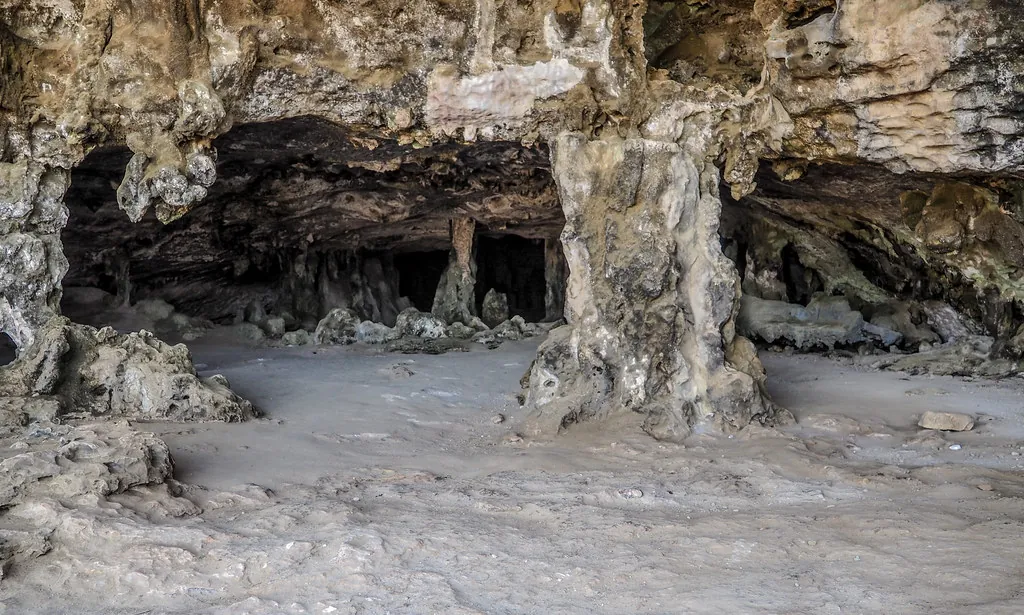
Direct Answer: Arikok & Cave Pool Status
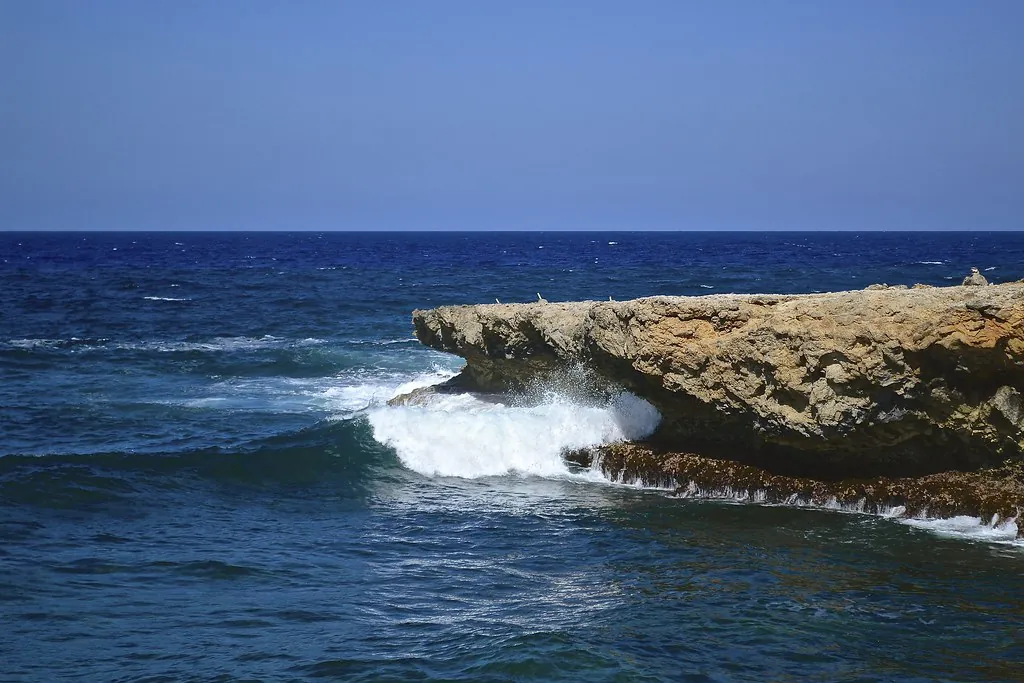
If you skim nothing else on this page, skim this. Arikok National Park opens every day of the year, entry for an adult visitor runs around Afl 25 (roughly €13 / $14), children under twelve usually walk in free or for a token fee, and the gate shuts at 16:00 with the last admission around 15:30. The cave pool itself is not a cave interior: it’s a rock-enclosed tidal basin on the wind-battered north coast, and it is closed to self-drive traffic. Guided 4×4 tours still reach it under permit, and that arrangement is the only legal way in. Fees and hours shift with each season, so check the Aruba National Park Foundation site before you set off. I’ll flag every volatile number again further down.
- Park status: Open daily, no night access, no exceptions for photographers chasing golden hour.
- Fontein Cave: Included in your park entry. No separate ticket at the door.
- Cave pool (Conchi): Closed to private vehicles. Reached by guided tour only, and often weather-dependent.
- Best arrival window: 08:00 to 10:00, before the tour buses stack up at the San Fuego car park.
- Minimum vehicle: A standard 2WD hire car handles the roads to Fontein and Quadirikiri. The north coast track wants high clearance.
Half the “cave pool” content online was written before the access rules changed and never updated. If a blog tells you to drive straight to the pool and park beside it, close the tab. You’ll be fined, and the track will punish your hire car on the way to being fined.
Arikok Fees, Hours & Vehicle Rules at a Glance
Treat the numbers below as accurate at the time of writing and confirm them on the day. Aruban park pricing has moved twice in five years, and nothing here is worth an argument at the gate.
| Item | Details | Recommendation |
|---|---|---|
| Adult entry | Afl 25 / ~€13 / ~$14 per person | Cash and card both accepted at the gate |
| Child entry (0–12) | Free or a nominal Afl 5, varies by year | Bring ID if the child looks close to twelve |
| Opening hours | 08:00–16:00 daily; last admission roughly 15:30 | Arrive before 10:00 to beat both heat and coaches |
| Fontein Cave access | Included in general park entry | No separate ticket needed |
| Cave pool (Conchi) status | Closed to self-drive; guided 4×4 by permit | Book through an operator, not a roadside tout |
| Vehicle type | 2WD fine for Fontein and Quadirikiri; 4×4 for north coast | Check your rental contract’s off-road clause first |
| Guided tour bundles | €49–€139 per person depending on duration and inclusions | Bundles usually include park entry and transfers |
Fontein Is a Room, Arikok Is the House
People book Fontein Cave in their heads as a standalone stop, a quick detour between the hotel and dinner. It isn’t. The cave is one chamber inside a protected area of roughly 34 square kilometres, which works out at about 20% of the whole island, and everything you do at Fontein is downstream of park logistics: the gate, the fee, the road surface, the mid-afternoon heat that turns the interior into a sauna with a rock ceiling.
The Arawak (the Indigenous people who carved the petroglyphs) chose this spot for reasons that had nothing to do with tourism. Cool air, fresh water seepage, shelter from the trade winds. Eight hundred years later, the same logic draws tour buses at eleven in the morning. Understand the park structure and you get the cave to yourself; ignore it and you’ll share the drawings with forty strangers and a selfie stick. If you’re still sorting out how to get here, our transport guide maps the drive in detail.
Arikok at a Glance
Scale & Status
Designated a national park in 2000, Arikok protects the last untouched slice of Aruba’s arid interior. The Aruba Tourism Authority lists it as the island’s single largest conservation area. Two permanent rangers patrol the boundaries, and the park borders the Arikok and Jamanota hills.
Geology & Terrain
A limestone skin sits over an older volcanic base, and the caves are what happens when slightly acidic rainwater works on that skin for a few hundred thousand years. Jamanota Hill tops out at 188 metres, the highest point on Aruba, and the whole interior is dry scrub, divi-divi, and limestone rubble.
The Two Entrances and How They Change Your Day
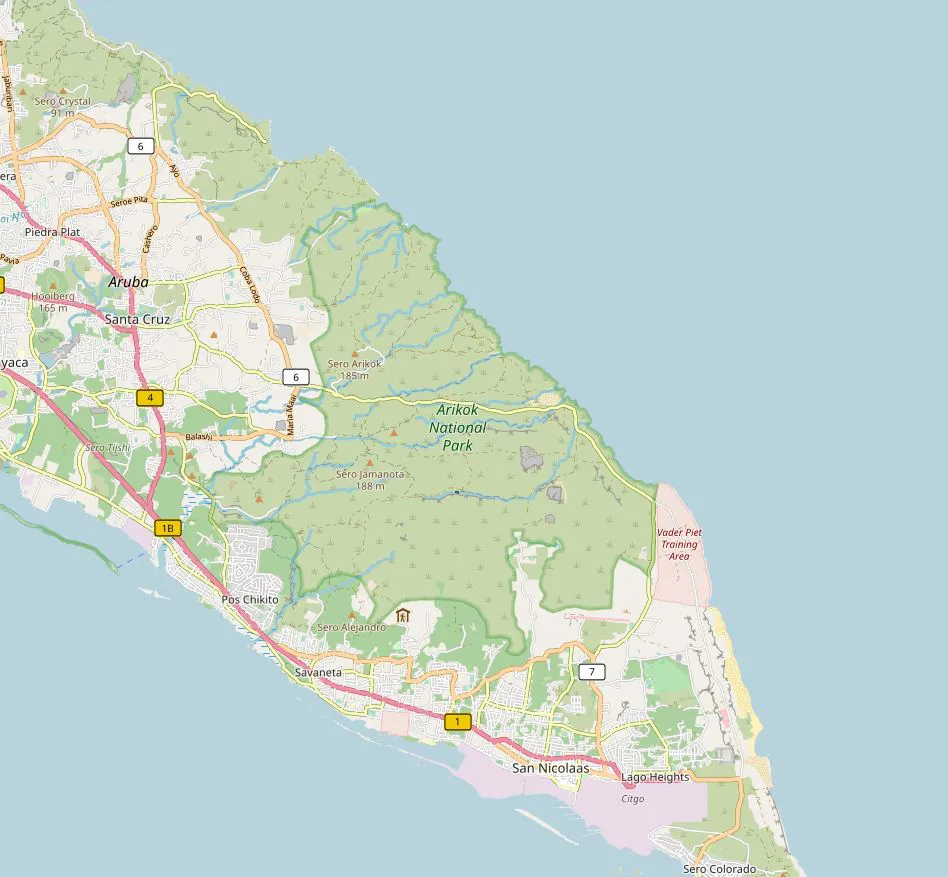
Arikok has two ways in, and choosing the wrong one adds forty minutes of corrugated dirt to your morning. The main gate is San Fuego, south of the park near Santa Cruz, reached from Oranjestad in about thirty-five minutes on sealed road. This is the entrance you want for Fontein Cave, Quadirikiri, and the visitor centre. It’s tarmacked almost the whole way, signposted in three languages, and staffed properly.
The northern coastal approach, from the Noord side via the California dunes road, is a different beast. It’s rough, unpaved in long stretches, and it drops you near Dos Playa and Boca Prins rather than anywhere near Fontein. If your goal is the petroglyphs, use San Fuego. If your goal is the north coast cliffs at sunrise, use the north gate and accept that your suspension will not thank you.
- San Fuego (main gate): Best for Fontein Cave, Quadirikiri, and anyone in a standard rental car.
- Northern approach: Best for Dos Playa, Boca Prins, and the coastal viewpoint trail. High-clearance vehicles preferred.
- Signage: Adequate at junctions, patchy deep inside. Download an offline map before you leave your hotel.
- Drive times from Oranjestad: 35 minutes to San Fuego, 50 minutes to the north gate, longer in convoy behind tour jeeps.
Cave Pool Closure: Status & Safe Alternatives
The natural pool has been the source of more misinformation than any other Aruban attraction. Access was restricted years ago for two reasons that both hold: safety and ecology. The approach track crosses privately leased land and fragile limestone, and the pool itself is a tidal basin on genuinely dangerous coastline, with rogue waves that have taken lives. Since the restriction, self-drive access is prohibited. Guided 4×4 operators still run permitted trips, weather allowing, and the rangers can and do turn away anyone who ignores the signs.
So the honest answer to “is the cave pool still open in Aruba?” is this: not for independent visitors, and not reliably even for tours. I’ve had trips cancelled at the gate because of swell. Plan your day so the pool is a bonus rather than the whole point, and you’ll be fine either way. Our full breakdown of the closure sits on the cave pool status page.
- Fontein Cave: Open, included in park entry, and the cultural reason most people come to Arikok in the first place.
- Quadirikiri & Guadirikiri: Two large limestone chambers with light shafts through collapsed roofs, easy walking, no permit required.
- Dos Playa & Boca Prins: Two north-coast beaches with reliable wind, no swimming, and genuine solitude mid-week.
- Jamanota viewpoint: The island’s high point, walkable on a marked trail, panoramic from Aruba to Venezuela on a clear morning.
Rule of thumb for the pool: if a tour operator promises “guaranteed” access, they’re overpromising. Conditions dictate the day. Anyone who tells you otherwise is selling, not guiding.
Best Arikok Attractions & Quiet Corners Most Visitors Miss
The Big Hits
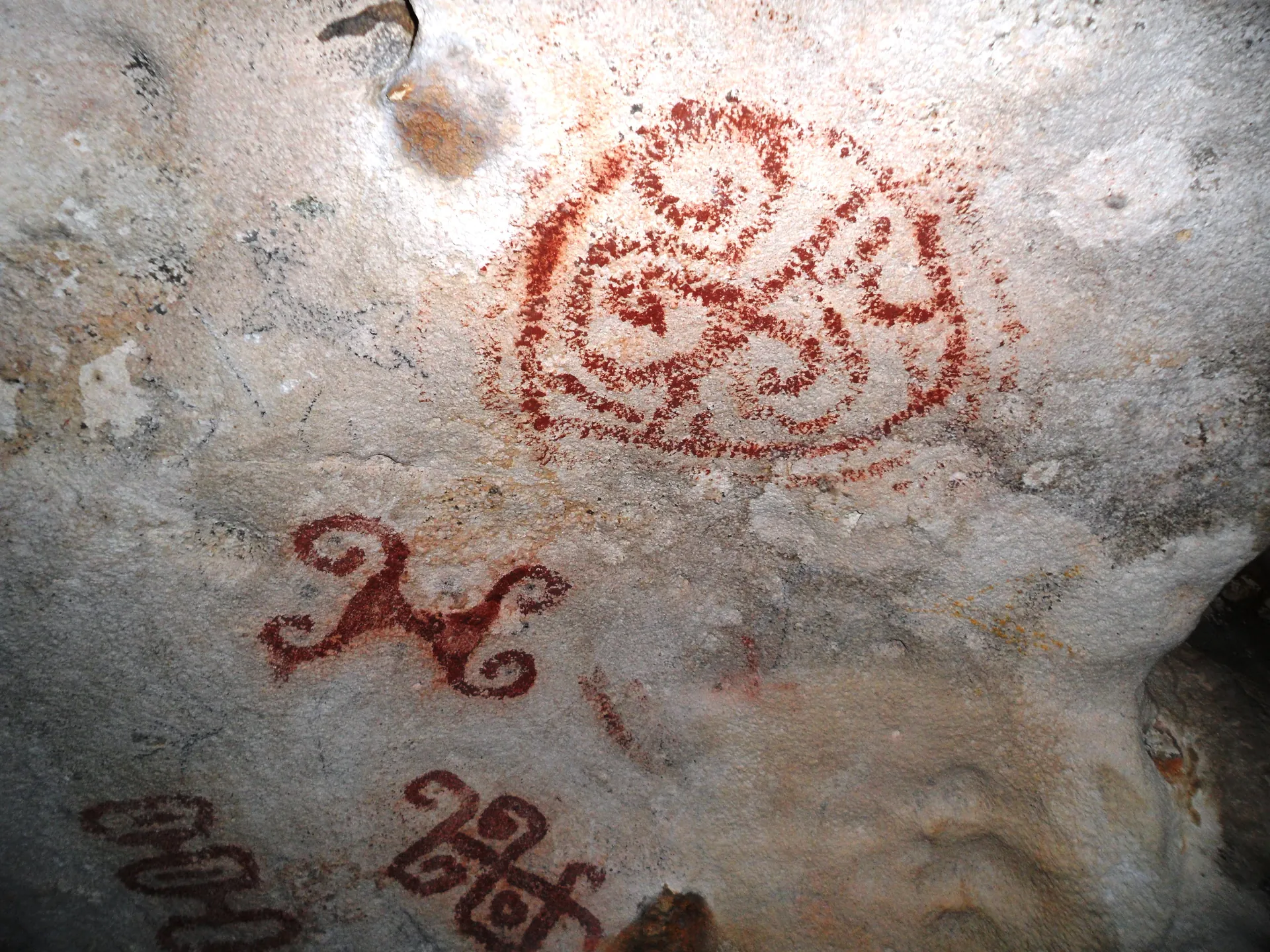
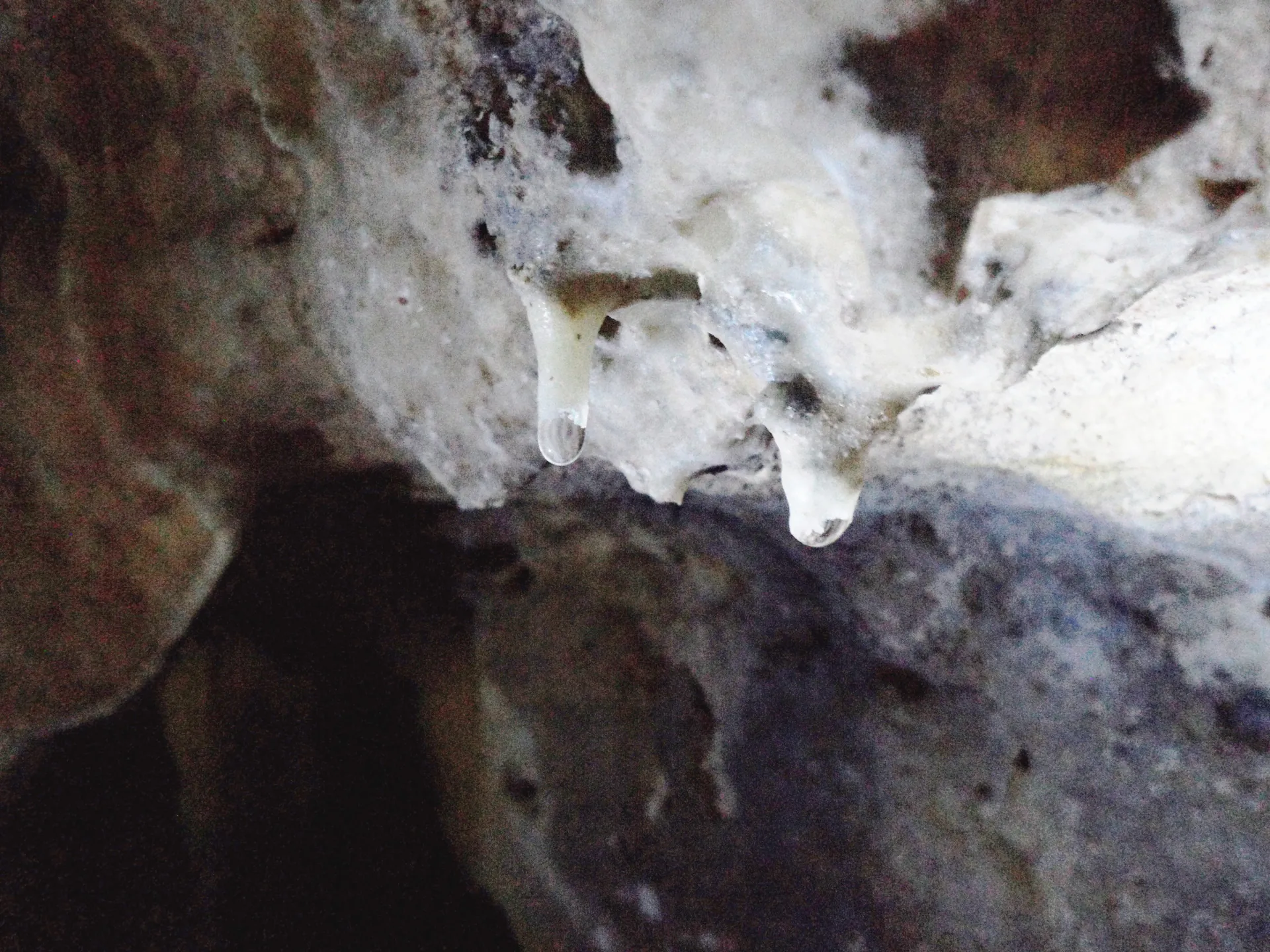
Fontein Cave is the park’s petroglyph star: Arawak drawings in white limestone, plus stalactites that look like melted candles in an old cathedral. Quadirikiri and Guadirikiri are the roomier caves, with light shafts that make photographers embarrass themselves. Dos Playa and Boca Prins round out the classic half-day circuit.
The Quiet Corners
Cunucu Arikok is a restored country house (a cunucu is a rural homestead in Papiamento) with a garden of native plants and almost never a crowd. Miralamar, the old gold-mine ruins, sit unmarked and overgrown, properly haunting in the late afternoon. The scrub near the southern gate is where the shoco, Aruba’s endemic burrowing owl, still nests.
Half-Day vs Full-Day Itineraries
Half-Day (4–5 hours)
- 07:30 depart Oranjestad or Noord
- 08:15 San Fuego gate and fee
- 08:45 Fontein Cave, 45 minutes inside
- 09:45 Quadirikiri and Guadirikiri
- 11:00 Jamanota viewpoint
- 12:00 back on sealed road
Full-Day (7–8 hours)
- 07:00 depart, pack two litres of water each
- 07:45 San Fuego gate
- 08:30 Fontein Cave, unhurried
- 10:00 Quadirikiri and Cunucu Arikok
- 11:30 Dos Playa and Boca Prins
- 13:00 lunch stop, either in Santa Cruz or back toward Oranjestad
- 14:30 north coast overlooks, then exit before 15:30
How Fontein Cave Fits In
Fontein is the cultural anchor of the park, and it pairs naturally with Quadirikiri and Guadirikiri because all three sit within ten minutes of each other on the same tarmac road from San Fuego. If you’re on a guided tour, most operators build the cave into the morning segment, then swing north for the coast. If you’re self-driving, park at the Fontein lot and walk the 100 metres or so to the entrance, which is a boarded path with a low step and easily managed in sturdy trainers.
I always recommend pairing Fontein with the history page before you go. Knowing what the spirals and human figures mean makes the ten minutes inside the cave feel like an hour. For a broader comparison of Aruba’s caves, the best caves guide lays out the trade-offs.
Practical Driving & Tour Logistics
Read your rental agreement before you turn off the sealed road. Most contracts void insurance cover the moment you cross the park gate, and that includes the tarmac stretches inside. Take photos of the car before and after, keep the fuel tank above half, and don’t trust phone signal once you’re past the visitor centre. Offline maps, downloaded the night before, are worth more than any app subscription.
- Fuel: Fill up in Santa Cruz or Oranjestad. There’s no pump inside the park.
- Navigation: Download Google Maps offline for the Arikok area, or better, use the paper map from the gate.
- Parking at Fontein: Free, unshaded, small. It fills by 10:30 in high season.
- Tour pickups: Most operators collect from Palm Beach and Eagle Beach between 07:00 and 08:00. Confirm the night before.
- Cruise visitors: A half-day tour fits inside a typical port call, but budget 30 minutes of slack for traffic on the return.
For a deeper look at pricing and vehicle rules, our Arikok fees page breaks down what’s included in each bundle. If you’re weighing guided against self-drive, the guided option exists mainly for the interpretation, the air-conditioning, and the fact that someone else handles the track.
Responsible Visit & Rules
The petroglyphs in Fontein Cave are between five hundred and eight hundred years old, and they are not getting any younger. Skin oils damage the pigment. Flash photography bleaches it. A single touch from a single visitor is a permanent change. Stay on the boardwalk, keep your hands down, and let the drawings outlive us all.
- Do not touch the Arawak drawings or any cave formation.
- No flash where signage prohibits it. Some areas allow it, most don’t.
- Carry water: Two litres per person, minimum. There is no shop inside the park.
- Sturdy shoes: Trainers are fine, flip-flops are a mistake. The cave floor is uneven and damp in patches.
- Wildlife: Give the goats, iguanas, and the shoco their space. None of them want a selfie.
Full visitor etiquette, including how to behave around guided groups and what the rangers will actually enforce, sits on the rules page.
Map & Location
Fontein Cave sits roughly 2.5 kilometres inside the San Fuego gate, on the main tarmac road toward the visitor centre. GPS coordinates hover around 12.5035° N, 69.9412° W for the cave car park, and signage from the gate is clear enough for most drivers. If you want turn-by-turn orientation, head to the map page.
Arikok & Cave Pool FAQ
How much does it cost to enter Arikok National Park?
Adult entry is Afl 25, roughly €13 / $14 per person, with children under twelve free or paying a nominal fee depending on the season. The ticket covers everything inside the gate, including Fontein Cave, Quadirikiri, and the trails. Bring both cash and card, and confirm the current rate on the Aruba National Park Foundation site before you drive, because pricing has shifted twice in recent years.
Is the cave pool in Aruba still open?
The natural cave pool (Conchi) is closed to self-drive visitors and remains permit-only for licensed 4×4 tours. Even permitted trips get cancelled on high-swell days, because the coastline is genuinely dangerous. Plan the pool as an optional extra and build your day around Fontein Cave and the two main caverns instead.
Do I need a separate ticket for Fontein Cave?
No. Fontein Cave access is included in your general Arikok park entry, so the only thing you pay at the door is the standard adult or child rate. Guided tours bundle entry into the headline price, which is why they often look more expensive than a self-drive day until you add up fuel, hire-car risk, and time.
Can I drive my rental car into Arikok?
A standard 2WD rental car reaches Fontein Cave and Quadirikiri without trouble along the sealed San Fuego road, provided your rental contract permits park access. Most contracts void off-road cover the moment you pass the gate, so check the small print first. The northern coastal track wants a 4×4 and isn’t necessary if Fontein is your priority.
How long should I spend at Fontein Cave?
Budget 45 minutes at Fontein Cave: fifteen to walk in and acclimatise, twenty to study the Arawak petroglyphs and formations, ten to walk back and cool down. Guided groups typically spend twenty minutes inside, so if you’re self-driving you’ll get longer with the drawings and a much quieter room.
What are the best things to do in Arikok National Park?
The top experiences in Arikok are Fontein Cave for Arawak rock art, Quadirikiri and Guadirikiri for the big limestone chambers, Jamanota Hill for the island’s highest viewpoint, and Dos Playa for the north coast cliffs. Add Cunucu Arikok if you want a restored country house and a slice of rural Aruban history without another tour group for company.
Is it worth going to Arikok National Park?
Yes, and it’s the single best half-day on the island if you want a break from beaches. Arikok holds 20% of Aruba’s land mass, the only undeveloped arid interior that survives, and caves with rock art that predate European arrival by centuries. Go early, bring water, and leave before the afternoon heat turns the whole trip into a chore.
Compare Tours & Tickets
Guided options take the friction out of the day: transport, park entry, cave interpretation, and somebody else driving the corrugated track. If you’d rather keep the freedom of your own car, our transport guide covers self-drive logistics from every major hotel area.
Related Guides
- Fontein Cave Tickets & Tours — compare options and prices before you book.
- How to Get to Fontein Cave — self-drive, taxi, and guided transfer logistics.
- Visitor Rules & Guidelines — protecting the Arawak drawings and staying safe.
- Fontein Cave History & Arawak Drawings — the cultural story behind the rock art.
- Fontein Cave Photos & Geological Formations — camera settings and ethical capture tips.
- Fontein Cave Map & Location — GPS coordinates, parking, and walking distances.
- Fontein Cave FAQ — every remaining question answered in one place.
- Aruba Cave Pool Closure: Status & Alternatives — the full closure story.
- Best Caves to Visit in Aruba Beyond Fontein — Quadirikiri, Guadirikiri, Huliba and more.
- Arikok National Park Fees & Entry Tips — budget breakdown for independent visitors.