Aruba Travel Tips: Tipping, Shopping & Local Customs
You have just climbed out of Fontein Cave, blinked at the Arikok sun and driven back into town with a wallet full of florins and a head full of petroglyphs. The question that arrives with the first cold drink is rarely about rock art. It is about money: who gets what, and how much.
Aruba runs on tourism, but it does not run on guesswork. The island has its own currency, its own tipping rhythm and a shopping scene that swings from polished mall to dusty roadside table in the space of one roundabout. Get the etiquette right and you move through Oranjestad and San Nicolas without friction. Get it wrong and you either overpay or, worse, shortchange the guide who found you the best angle on a five-hundred-year-old drawing.
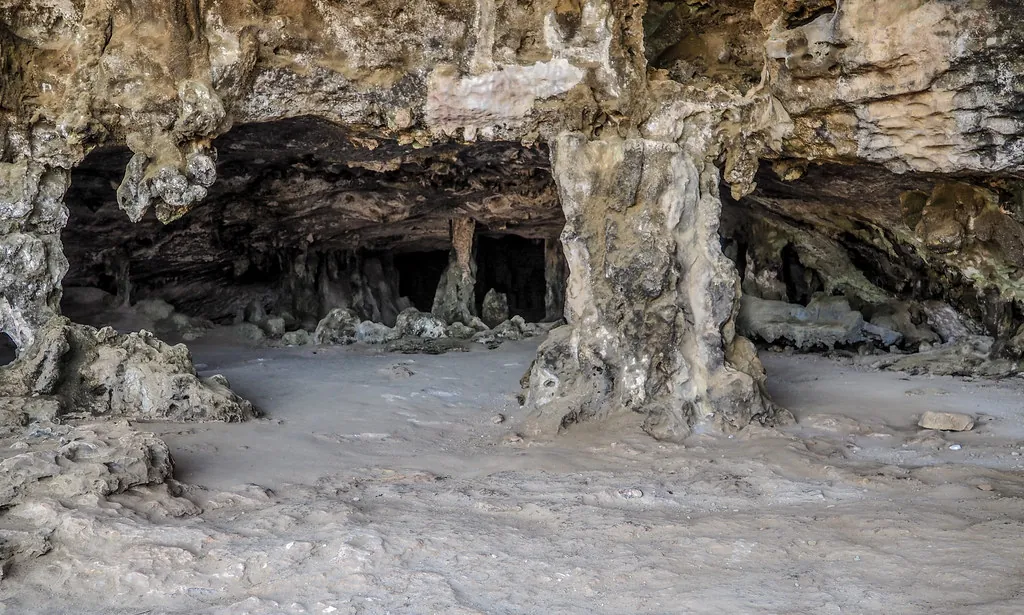
I am Elspeth. I have lived here eight years, leading small heritage walks inside Arikok and sketching stalactites on my days off. My first restaurant bill on this island carried a line reading “sc 15%” and I sat there for a full ten minutes working out whether I was about to tip twice. So let us deal with the money mechanics first, then the shops, then the handful of phrases that make people smile.
Florins, Dollars and the Art of Small Change
Aruba’s currency is the florin, written Afl or NAf. It is pegged to the US dollar at a fixed 1.79 to one, an arrangement the Central Bank of Aruba maintains, and that makes mental arithmetic easy once you have run the conversion a few times. Hotels, malls and most restaurants accept dollars without complaint, yet your change nearly always comes back in florins. That is fine up to a point. Just do not fly home with a pocket of coins that no bank outside the island will touch.
| Money matter | What happens | What to do |
|---|---|---|
| Local currency | Aruban florin (Afl / NAf), pegged at 1.79 to US$1 | Think in florins for small purchases, dollars for big ones |
| ATMs | Most dispense florins, a few dispense dollars | Read the screen before you commit to a withdrawal |
| Card acceptance | Strong in hotels, malls and larger restaurants | Visa and Mastercard are the safest pair to carry |
| Cash for Arikok | Fruit tables and small vendors run cash only | Carry $5 and $10 notes plus 10 and 20 florin bills |
| Leftover coins | Hard to exchange once you leave | Spend them at the airport or drop them in a tip jar |
Before you drive into the park for a cave morning, draw cash in Oranjestad or Noord. The Arikok entrance station takes cards and so does the visitor centre, but the produce tables scattered along the road towards San Nicolas often do not. A few small notes let you buy a bag of mangoes or a green coconut without an awkward pantomime. I keep a ziplock of florin coins wedged in the glovebox for exactly that reason.
Do You Tip Waiters in Aruba? The Service Charge Line Answers It
One line on the bill settles most of the anxiety about whether you tip waiters in Aruba. Look down the total for a service charge. It might read “sc”, “svc”, “service” or “propina” in Papiamento. Plenty of tourist-facing restaurants add 15% automatically, and where that charge appears, the money is intended for staff, although how it is split varies from one kitchen to the next. Slip a few extra florins across for genuinely excellent service if the mood takes you. Nobody is counting on it.
If the bill says “sc 15%”, the tip has been handled. If it does not, add 15% to 20% for good service. Never pay the percentage twice out of confusion.
Taxes sit on their own lines and should never be mistaken for gratuity. Aruba applies a tourist levy and, on some bills, a modest government turnover tax, all of which the venue collects and passes on. When a bill genuinely puzzles you, ask the server whether service is included. It is an ordinary question on this island and nobody bristles at it.
Tipping, Establishment by Establishment
Concrete numbers help more than principles. What follows reflects current norms rather than any statute, so scale it to the setting and the service. A beach bar and a formal dining room are not the same proposition, and neither is a taxi hop across Oranjestad compared with the airport run.
| Service | Suggested tip | Notes |
|---|---|---|
| Waiter, no service charge on bill | 15% to 20% | Cash is quickest, card tips are normal too |
| Waiter, service charge already added | 0 to 5% extra | Reserve the extra for standout service |
| Bartender | $1 to $2 per round | At all-inclusives, a dollar a round is generous |
| Housekeeping | $2 to $5 per day | Leave it daily in cash rather than a lump sum at the end |
| Bellman or porter | $2 to $3 per bag | Airport porters, hotel luggage, both the same |
| Spa therapist | 15% | Skip it if a service charge is already on the folio |
| Concierge | $5 to $10 for a real favour | Booking a hard-to-get table, not for directions |
| Valet | $2 on collection | Hand it over when the car arrives, not before |
All-inclusive resorts shift the arithmetic again. Guests on that sort of package usually hand over a dollar or two per drink, or a few dollars at the end of a meal, and the gesture lands as appreciation rather than obligation. Staff there draw a proper wage and tips are a bonus on top. If your budget is tight, a warm thank-you still carries weight. If you can stretch, a folded five for the bartender who remembered your order all week is a lovely way to close out a holiday.
Taxi Drivers, Porters and Cave Guides
No taxi in Aruba runs a meter. Fares are fixed by zone, agreed before you pull away, and any driver will tell you the figure if you simply ask. Rounding up is the local habit. On an 18-florin hop from Palm Beach into Oranjestad, handing over 20 keeps everyone content, and on the longer airport transfer 10% is plenty.
- Agree the zone fare before you get in, especially from the airport where touts may approach you.
- Carry small notes, since drivers rarely hold change for a 100-florin bill at seven in the morning.
- Tip in dollars or florins rather than euros, because the exchange rate hurts the person receiving it.
- If a driver waits for you at Fontein Cave while you walk the trails, add a few florins for the idle time.
Guides deserve their own paragraph, because generic tipping advice cashes out badly in Arikok. A half-day jeep run through the park, with Fontein and one or two other caves on the itinerary, means three or four hours of hard sun, rough limestone road and steady commentary from somebody who is usually self-employed and paying for their own vehicle, fuel and permit. Five to ten dollars per guest sits in the fair range. If your guide translated a piece of Papiamento you had been puzzling over for days, or steered you away from a formation that looks solid and is not, you got considerably more than the ticket price bought. Booked tours and their inclusions are broken down on the tickets and tours page if you want to see what is bundled before you commit.
What Is a Must Buy in Aruba? Start With Aloe
Ask around for what is a must buy in Aruba and the answer arrives before you finish the sentence: aloe. Aruba Aloe has been harvesting and processing the plant at its Oranjestad factory since 1890, and the Pitstraat 115 premises still run short tours alongside the shop. Gel, after-sun lotion, shampoo bars and hand soaps all come out of the same operation, and the labels are honest about how much of the plant sits in the bottle. Factory prices are fixed, which removes the haggling question altogether.
Buying Aloe Well
Look for the Aruba Aloe mark and a high aloe content in the first few ingredients. A plain gel tube tends to land somewhere between $12 and $18, larger lotion bottles between $18 and $30, and soap bars under $10. Beware anything cheap in a souvenir shop window with no manufacturer on the label, since rebottled imports are common. If you have spent the morning breathing Arikok dust, a tube of gel earns its place in your day bag immediately.
The Barometer of Quality
Stock rotates and prices drift, so treat any figure here as a rough band rather than gospel. The honest test is the ingredient list and the shop itself. A dedicated factory outlet with a production line behind the till is a safer bet than a kiosk selling magnets and sunscreen. Buy your aloe before you drive into the park, not after, because the boot of a car in afternoon sun turns lotion into soup.
Local Fruit and the Edible Souvenir Problem
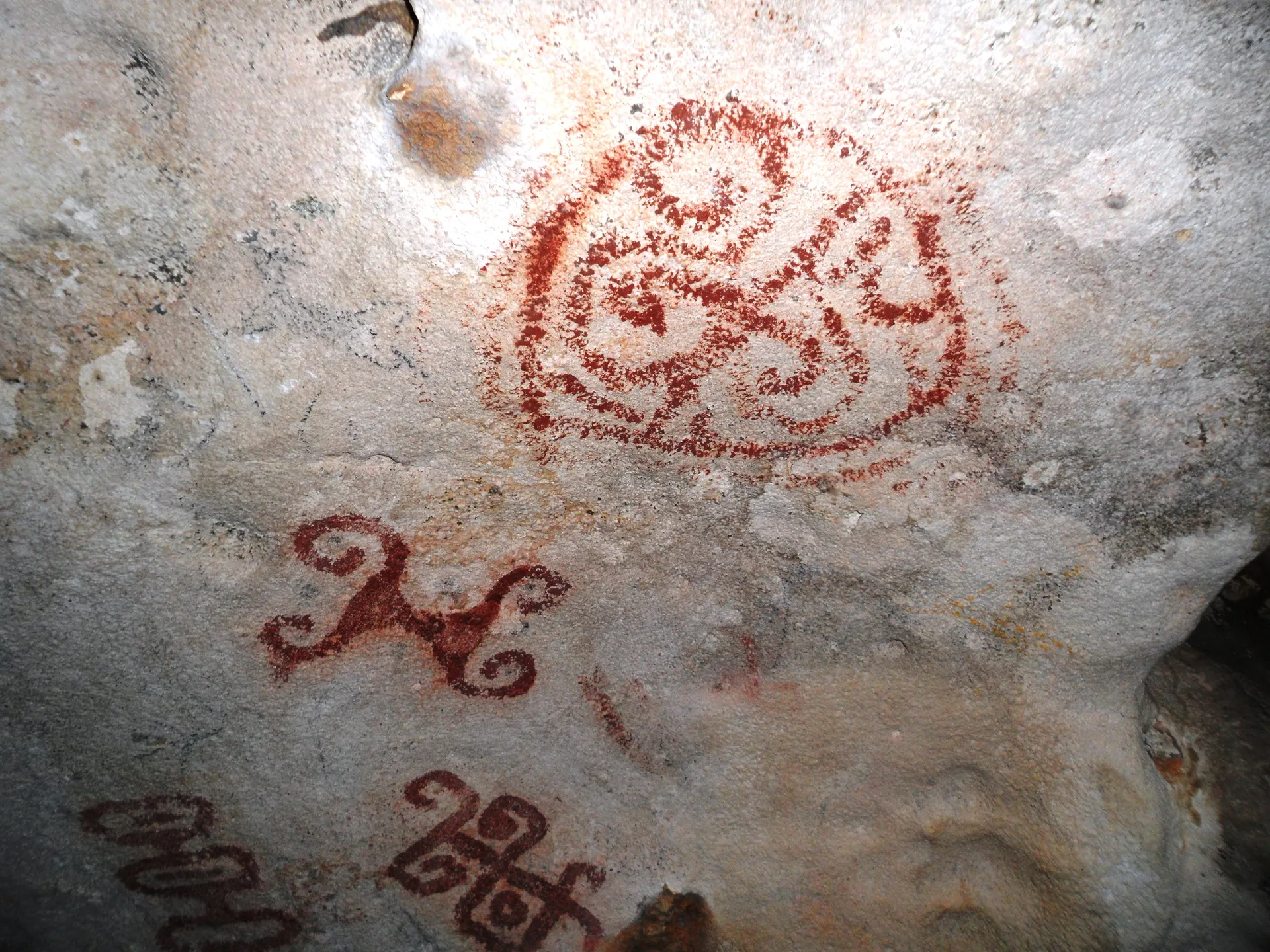
Fruit is where Aruba gets deliciously specific. Kenepa is a small yellowish berry with a sweet-sour bite that stains your fingers purple. Shimaruku is the local cherry, sharp and bright, best eaten warm off the tree. Mispel, the sapodilla, tastes like brown sugar and pear had a quiet conversation. Tamarind pods appear in season for shelling on the drive home, and the mango glut arrives somewhere around late spring and runs through the summer. Roadside tables spring up along the route towards San Nicolas and near the park approaches, and a plastic bag of mangoes costs a few florins.
Fresh fruit is also where enthusiasm meets customs paperwork. The UK, the wider EU and the United States all restrict fresh produce in hand luggage, and the penalties for ignoring that are not trivial. Eat the mangoes here. Take home the jam, the pepper sauce or a sealed bag of roasted peanuts instead, and leave the customs officer with nothing to inspect. More on what the island’s protected areas permit you to carry out sits on the visitor rules page.
Bottles, Brews and Pantry Gifts
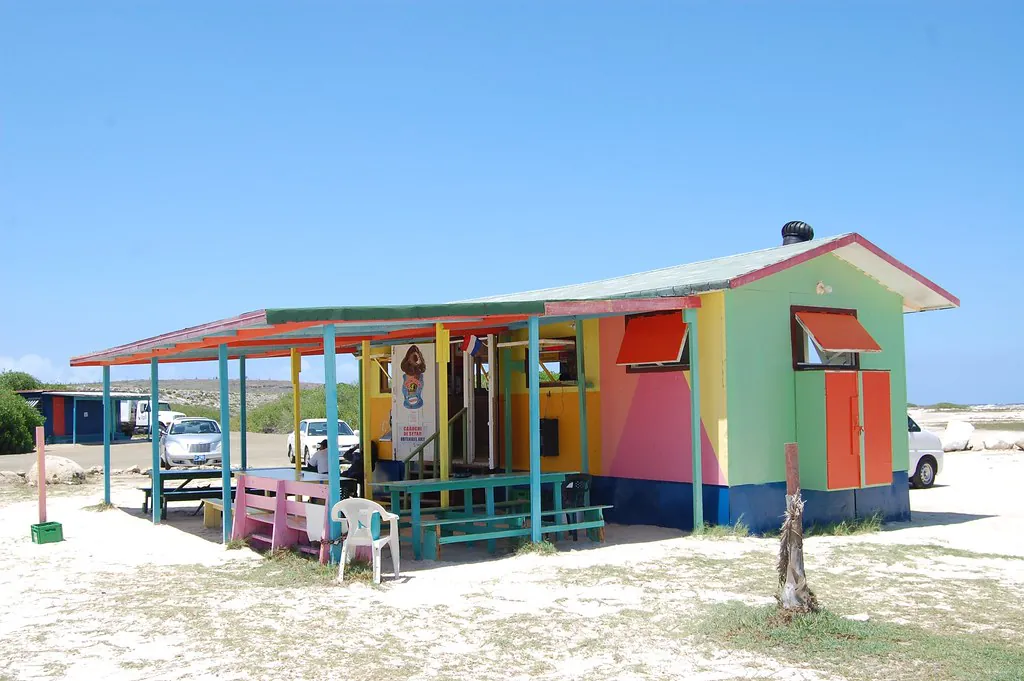
Coecoei is the island’s signature liqueur, a deep red pour made from a local plant related to the agave, and it forms the base of the Aruba Ariba cocktail you will meet at some point before the week is out. Balashi is brewed on the island using desalinated water, and it tastes noticeably cleaner than the same label exported. Local hot sauce, palmtree honey and small-batch coffee fill out the pantry shelf nicely.
| Gift | Where it is best bought | Rough price band |
|---|---|---|
| Coecoei liqueur | Supermarkets or duty free on departure | $15 to $25 a bottle |
| Balashi beer | Any supermarket; heavy to pack | $2 to $3 a bottle |
| Local hot sauce | Market stalls and grocery stores | $5 to $10 |
| Aloe gift sets | Aruba Aloe factory, Oranjestad | $25 to $60 |
| Roasted peanuts | Roadside vendors and supermarkets | Under $6 |
Airport duty free beats town on spirits more often than people expect, largely because it strips out the local turnover tax and saves you lugging bottles around. Where it loses is on anything made in small batches by an actual person, which is exactly the sort of thing you should buy in town.
Crafts, Art and the San Nicolas Alternative
San Nicolas has quietly turned itself into the most interesting place on the island to spend souvenir money. The old town centre carries a large collection of commissioned murals, painted during annual street art gatherings, and small galleries have grown up around them. A signed print from one of those rooms costs more than a fridge magnet and rewards you every time you walk past it at home. The town is also the closest settlement to the eastern side of Arikok, which makes a morning cave visit and an afternoon of browsing a natural pairing.
The Arikok visitor centre shop stocks books on the park’s geology and Indigenous heritage, which is a better use of twenty dollars than most of what lines the cruise terminal shelves. For the deeper story behind the drawings you have just seen, the history of Fontein Cave and its Arawak petroglyphs fills in the archaeology properly.
Where to Shop, District by District
| Area | What you find there | Best for |
|---|---|---|
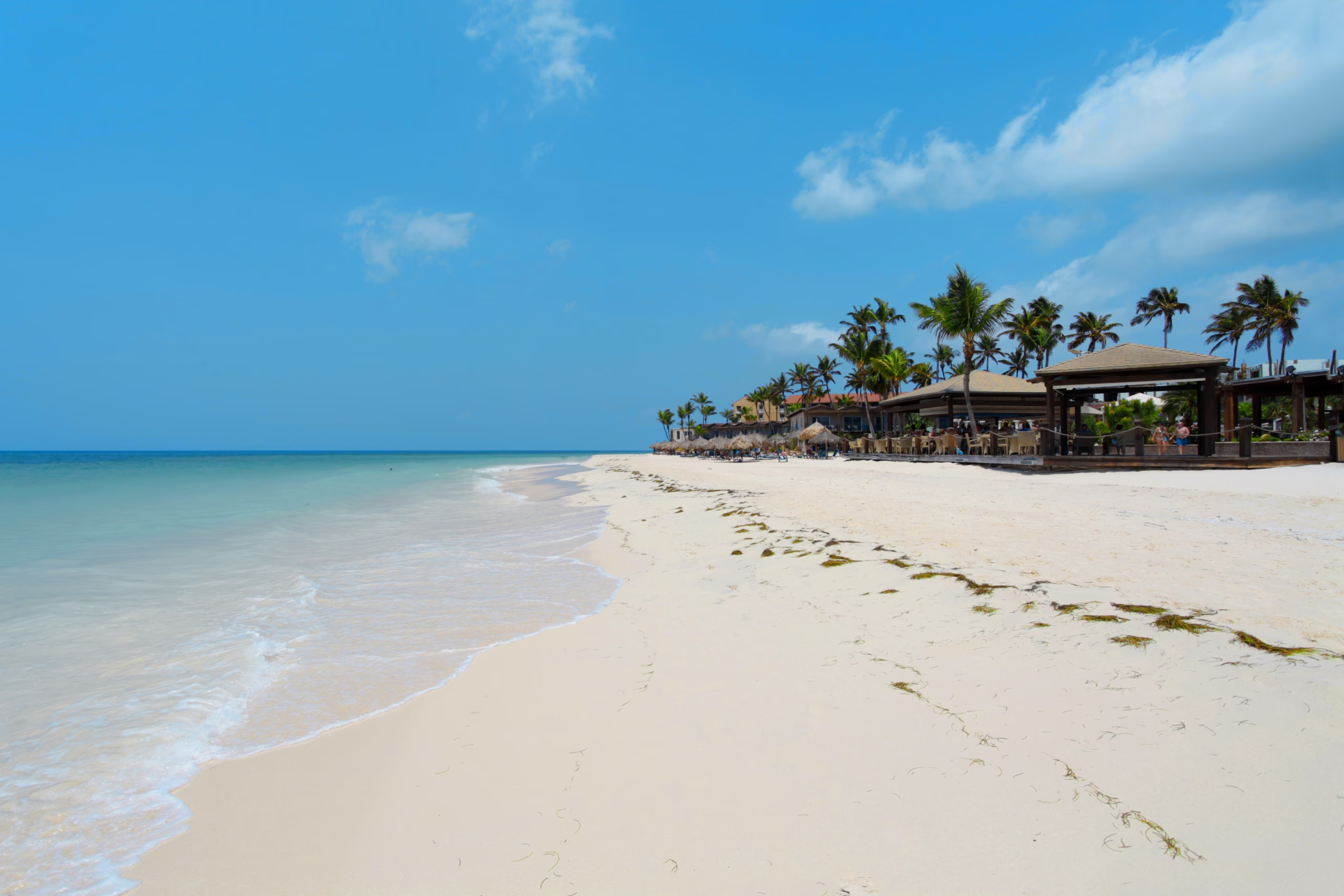
| Caya G.F. Betico Croes, Oranjestad | Main shopping street with local and international brands | Everyday goods and gifts at sensible prices |
| Renaissance Mall and Royal Plaza | Air-conditioned clusters of higher-end shops | Escaping the heat, branded goods |
| Palm Beach malls | Two centres close to the high-rise hotels | Convenience when you are based in Noord |
| San Nicolas | Murals, small galleries, independent makers | Art, prints, things with a story |
| Arikok visitor centre | Books, maps, park merchandise | Geology and heritage reference material |
| Cruise terminal | Dense rows of souvenir kiosks | Last-minute items, at a premium |
Prices at the cruise terminal climb on ship days, sometimes by a third, because the audience changes from residents to people with four hours ashore and no transport. Walk twenty minutes inland to Betico Croes and the same magnet costs less. Parking downtown is a genuine faff, so a taxi from the resorts often works out cheaper than circling for half an hour. The transport guide covers the drive times and the parking situation in more detail.
Opening Hours, Sundays and the Cruise-Ship Tide
Most shops in central Oranjestad open around nine or ten in the morning and close near six, Monday through Saturday. The big malls at Palm Beach and the Renaissance complex run later and usually trade on Sundays, while smaller local businesses and family-run shops often shut entirely on Sunday. If you have one shopping day and it happens to be a Sunday, aim for the malls.
The other variable is the cruise schedule. On a heavy day, three or four ships can put several thousand passengers into a twelve-block radius at once, and the queue at every till lengthens accordingly. Check the port schedule the night before and shop either first thing or after four in the afternoon. That window also suits a cave day nicely, since Fontein is quietest before eleven and after two, once the coach groups have moved on.
Polite Phrases, Used Properly
Papiamento is a creole with Portuguese, Spanish, Dutch and African roots, and it is the language you will hear between Arubans themselves. Everyone also speaks Dutch, English and Spanish, so you will never be stuck. Greeting somebody in Papiamento as you walk into a shop, however, gets a noticeably warmer response than launching straight into a request. Pronunciation is forgiving. Effort is what registers.
| Papiamento | English | Say it roughly like |
|---|---|---|
| Bon dia | Good morning | bon DEE-ah |
| Bon tardi | Good afternoon | bon TAR-dee |
| Bon nochi | Good evening | bon NO-chee |
| Danki | Thank you | DAHN-kee |
| Di nada | You are welcome | dee NAH-dah |
| Con ta bai? | How are you? | kon tah BYE |
| Mi ta bon | I am well | mee tah BON |
| Por fabor | Please | por fah-BOR |
| Despensa | Excuse me, sorry | des-PEN-sah |
At a roadside stall, bargain only if the mood is light and never push hard. The price is usually fair before you open your mouth. A grin and a “danki” as you pocket your mangoes will do more for the next customer than the two florins you shaved off.
Cultural Do’s and Don’ts
Aruba is relaxed without being casual about everything. A short list of habits keeps the week smooth, and most of them cost nothing.
- Greet people as you enter a shop or waiting room, and again as you leave. It matters here.
- Put a shirt or sarong on when you leave the beach. Swimwear belongs on sand, not on Betico Croes.
- Ask before photographing anyone, particularly in San Nicolas where the murals draw a lot of cameras.
- Keep your hands off the limestone and the rock art inside Fontein. Skin oils do permanent damage no conservator can undo.
- Never pocket sand, shells, coral or stones. Aruba’s environmental legislation treats removal as an offence, and customs officers on your return flight are alert to it.
- Keep voices low in residential streets after dark, and be mindful that Sundays are quieter by design.
- Leave a small cash tip rather than adding it to a room tab, since cash reaches the person who served you without delay.
Somebody in the park once told me that the complaint he hears most about visitors is not about money at all. It is about hurry. People arrive with a checklist and treat the island as a series of boxes to be ticked. Slow down, and Aruba takes care of the rest.
Budget Snapshot: What to Carry
For planning purposes, here is roughly what a day of tipping adds up to. These are estimates for 2026 and they will move, so use them to size your cash withdrawal rather than as fixed prices.
| Traveller type | Typical daily tips | Cash to carry each day |
|---|---|---|
| Solo traveller, self-drive | $8 to $15 | Around $40 in mixed notes |
| Couple, restaurants and one guide | $25 to $45 | Around $80 |
| Family of four, all-inclusive plus tours | $50 to $80 | Around $150 |
| Cruise day visitor | $10 to $20 | $50, since you will not return to an ATM |
If your day includes a guided run through the park and you would rather leave the driving to somebody who knows the trails, the options and their inclusions are set out on the Arikok jeep safari listing. For timing, walking distances and what you can realistically see in half a day, the Arikok National Park page and the location and map page are the two to have open on your phone before you lose signal out there.
A Last Word on Generosity and Respect
Aruba’s visitor economy depends on people arriving, but the island’s culture depends on how those arrivals behave. Tipping is part of that picture, though it is not the whole of it. Learn four words of Papiamento. Buy from the person standing behind the table rather than the kiosk by the gangway. Treat the cave and its drawings with the reverence they have earned over centuries. And when a bill baffles you, ask. Nobody expects a first-time visitor to know the rules by heart, and the answer usually comes with a smile attached.
The best thing you can carry home from Aruba is not a bottle or a magnet. It is the sense that you moved through the island with care.
For anything this page has left unresolved, the Aruba Tourism Authority publishes current visitor information, Arikok National Park posts opening hours and trail notices, and the Government of Aruba keeps the customs and duty regulations that govern what you may legally take home. Check the official exchange rate with the Central Bank of Aruba before you convert, and buy your aloe straight from the source at Aruba Aloe.