Aruba Safety & Scams: What Travelers Should Know
Aruba Safety and Scams: What to Know Before You Head for the Caves
Aruba’s reputation as one of the calmest islands in the southern Caribbean holds up better than most. Violent crime aimed at visitors is rare, the police respond quickly, and the street-level hassle you might brace for in other ports seldom appears. What actually spoils a holiday here is duller: too much sun, unsteady footing on limestone, and a hire car left unlocked at a remote trailhead while its owners are underground.
Your risk profile shifts the moment you leave the resort strip. Palm Beach at seven in the evening is a different world from the Arikok desert at two in the afternoon, and a day at Fontein Cave stacks four specific hazards into a few hours: heat, terrain, the cave itself, and the car park you walked away from. None of them are dramatic. All of them are manageable, and most of what follows is about knowing which one is currently working on you.
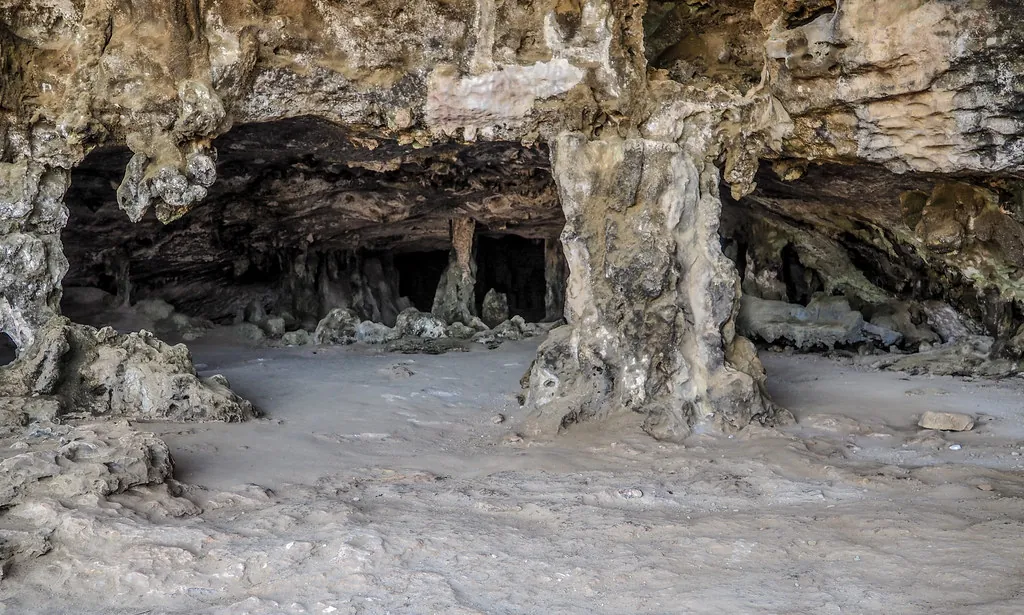
I lead small heritage walks inside Arikok National Park most weeks of the year, and I have watched sensible adults walk into trouble that a bit of forward planning would have dodged. Below is what actually matters, roughly in the order it tends to bite.
The Honest Baseline: What Aruba’s Safety Record Covers
Ask a local about crime and you will get a shrug, then a joke about the traffic on the way to San Nicolas. That confidence is earned. Aruba sits well outside the Caribbean’s serious violent-crime corridors, the island’s police force is generously funded by regional standards, and the overwhelming majority of visitors spend a fortnight here without a single incident worth recounting.
The incidents that do involve tourists cluster into familiar categories. Petty theft from parked cars and unattended beach bags. Road collisions, often involving scooters and unfamiliar roundabouts. Heat exhaustion among people who planned their hike for eleven in the morning. Drowning, almost always at beaches with strong currents rather than anywhere near a cave.
Notice what turns up far less often: muggings, extortion, the things that fill advisories elsewhere in the region. The US State Department’s Aruba advisory sits at Level 1, exercise normal precautions, the lowest tier it issues anywhere in the world.
That is the good news, and it is genuine. The fine print is that a safe island does not automatically hand you a safe afternoon in the desert. Arikok is 34 square kilometres of dry rock, thorn scrub and wind, with two entrances, patchy phone signal and a handful of rangers covering a lot of ground. Knowing what to beware of in Aruba means knowing which hazards are real, and which are imported from other islands entirely.
Emergency Contacts to Save Before You Land
Save these while you still have hotel wifi. Signal inside Arikok comes and goes, and the one place you are most likely to need a phone is the one place it may not work.
| Service | Contact | What to Know |
|---|---|---|
| All emergencies | 911 | One number for police, ambulance and fire. Operators speak English, Dutch, Spanish and Papiamento. |
| Dr. Horacio E. Oduber Hospital | Oranjestad, main switchboard +297 527 4000 | The island’s main hospital and emergency department, roughly 25 to 35 minutes from the Arikok entrance depending on traffic. |
| Arikok National Park HQ | San Fuego entrance | First call for anything inside park boundaries: a breakdown, an injury on a trail, a party that has not come back. |
| Your hire car company | Number printed on the rental agreement | Ask for the roadside assistance line, not reservations. Save it separately from the main switchboard. |
| Travel insurance assistance | Number on your policy card | Store the policy number in your phone notes. You will not want to hunt through email with a cracked screen. |
| Non-emergency police desk | Korps Politie Aruba, Oranjestad | For theft reports you need for an insurance claim, rather than anything urgent. |
Numbers on Aruba change more often than you would expect. Confirm all of the above with Arikok National Park and your hotel before you fly, and write them on a piece of paper as well as into your phone. A wet phone at the bottom of a limestone gully is a specific kind of bad afternoon.
Paying Upfront: The Insurance Detail Nobody Mentions
The hospital in Oranjestad is modern, well equipped and staffed by people who have seen every sunburn and rolled ankle the island can throw at them. What it does not do is bill your European or American insurer directly the way you might assume. Expect to settle the bill on a card and claim the money back once you are home, which means carrying a credit card with a limit big enough to absorb a four-figure bill on a Sunday.
That makes one clause on your policy worth more than the rest of it combined: medical evacuation. A medevac flight to Miami runs into five figures in US dollars, and plenty of standard credit-card travel cover quietly excludes it, or caps it at an amount that would not get you off the runway. Read the evacuation limit before you read the cancellation limit, and check the hospital’s own site for the current emergency department details.
Car insurance deserves the same scrutiny. Most standard rental policies void the moment a wheel leaves tarmac, and the roads into Arikok are unpaved for long stretches. If you plan to drive yourself, check the unpaved-road clause and ask the rental desk to spell out in writing what happens if you return with a scraped sump guard.
The Sun Is the Number One Hazard, and the Trade Winds Hide It
Aruba sits at 12.5 degrees north, which puts it squarely in the tropics with none of the greenery that usually comes with them. The UV index climbs into the 10 to 12 range most middays of the year. Air temperatures hold steady between about 30 and 32 degrees Celsius, and the wind blows across the island at 15 to 20 knots almost constantly.
That wind is the trap. It cools your skin, dries your sweat, and stops you registering that you are cooking. The burn goes unnoticed until you climb into the shower that evening, and by then a full day at Fontein Cave and the walk across the desert to reach it have done their work.
Windburn and salt burn stack on top of sunburn in a way that is genuinely uncomfortable. Salt crusts on the skin and pulls moisture out of it, so rinse off with fresh water after a beach morning before you head inland. The Aruba Tourism Authority publishes the current UV outlook, and it is worth a glance over breakfast.
A hurricane-season twist that catches visitors out: the island rarely takes a direct hit, but a system passing two hundred miles north can pull a hot, still, cloudless day over Arikok. Those are the days heat illness happens. Check the National Hurricane Center during September and October if you are planning anything strenuous.
Your Cave-Day Kit
- Two to three litres of water per person, more if you are walking in from the main road.
- A wide-brimmed hat and sunglasses with a proper UV rating, not fashion lenses.
- Reef-safe sunscreen, applied at the car before you walk anywhere.
- Closed shoes with grip. Flip-flops on limestone gravel are how ankles get turned.
- A headtorch or a charged phone torch, since cave interiors eat battery and daylight.
- Salty snacks and an electrolyte drink for the drive back.
Signs to Turn Back
- A headache that does not lift after water and shade.
- Dizziness, or chills while standing in thirty-degree heat.
- Skin that has stopped sweating altogether.
- Nausea, cramp, or muscles that feel strangely weak.
- Confusion, slurred speech or fainting: that is a 911 call, not a rest stop.
Sunscreen Law, Reef Rules and Cave Etiquette
Aruba has moved against sunscreens containing oxybenzone, part of a wider Caribbean push to protect coral. Most resort shops, supermarkets and the park entrance now stock reef-safe alternatives, and the price difference is small. If you arrive with a bottle from home, read the ingredients list rather than the marketing on the front.
There is a cave-specific reason too, and it has nothing to do with the reef. Skin oils, sweat and sunscreen residue transfer onto limestone, and in Fontein Cave the limestone carries roughly a thousand years of Arawak petroglyphs drawn in charcoal and plant-based pigment. A single palm pressed against a drawing can lift pigment that took a breath to place. Apply your cream at the car, let it settle, and keep your hands off the walls once you are inside.
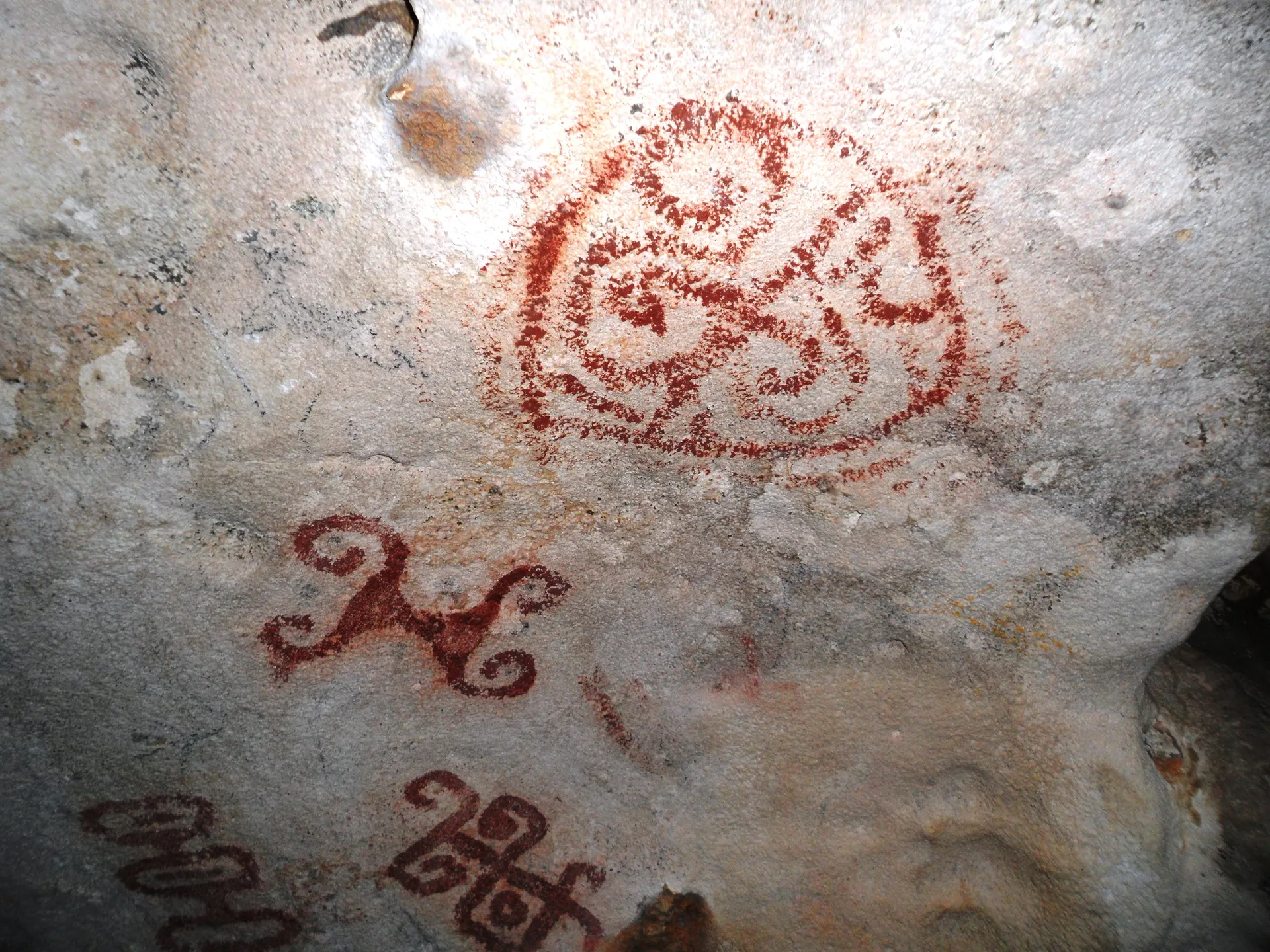
- No touching the drawings, the rock faces around them, or the surviving pigment at all.
- No flash where the rangers have posted signs against it. It fades pigments and disturbs roosting bats.
- Stay on the marked route inside the cave, even where the floor looks solid enough to cut across.
- No food inside. Crumbs pull in insects, and insects pull in the bats.
- Keep your voice down. The chambers amplify everything, and the bats are genuinely asleep.
The full set of park rules, including drone restrictions and the no-collecting policy, lives on Arikok National Park’s official site. For a visitor-friendly summary, see our visitor rules and guidelines page, and if you want the cultural background behind those drawings, the Fontein Cave history page goes much deeper.
Rough Ground, Sharp Rock and the Rental Car Clause
The terrain inside Arikok is harder than the photographs suggest. Limestone weathers into loose gravel and knife-edged ridges, the desert floor is pitted with holes hidden under thorn scrub, and cave floors carry a slick film of dust and bat guano that behaves like grease on a slope. Watch for the manzanilla tree (the poison apple, with small green fruit you should never handle) and the bringamosa nettle, whose spines deliver a sting that aches for a good twenty minutes.
Aruba’s endemic rattlesnake, the cascabel, is shy, rare and would far rather be somewhere else. Sightings on the Fontein path are uncommon, but they happen, and the drill is simple: stop, step back slowly, give it a wide berth, and let it move on. Do not try to photograph it from close range, and never put a hand into a rock crevice to steady yourself.
Interior roads are unpaved and uneven, with some sections better suited to a high-clearance vehicle than a compact. You do not need an expedition truck, but you do need to drive slowly and accept that the journey takes longer than the map implies. Our Fontein Cave map page has the coordinates and entrance details you can save offline before signal drops.
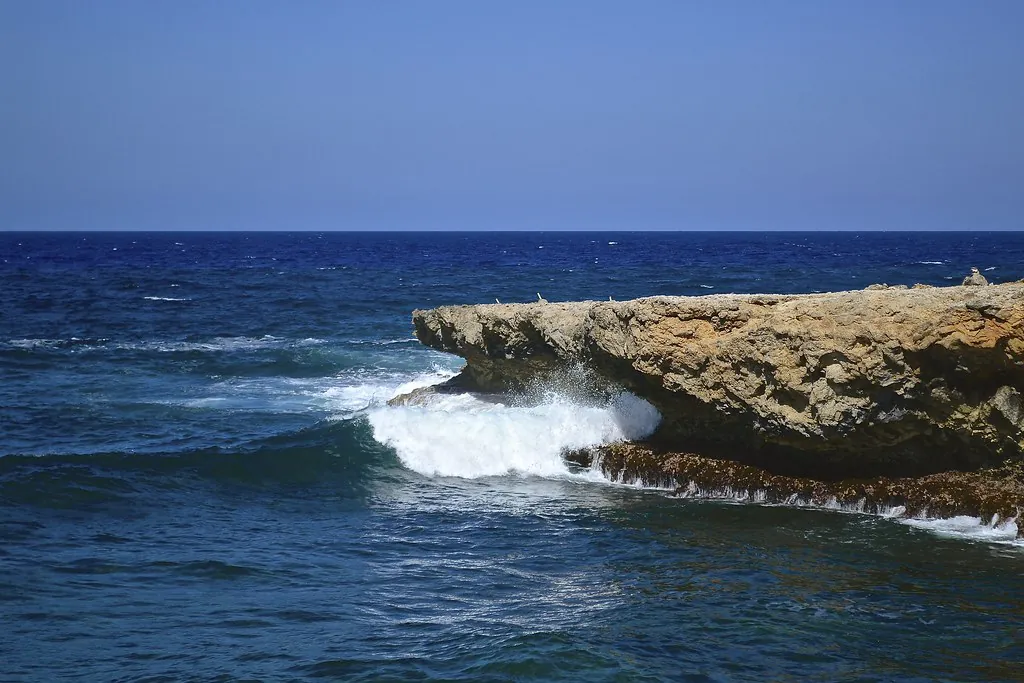
Which entrance you want depends on where you are coming from, and the two gates lead to quite different driving. Whichever you pick, allow more time than feels reasonable and do not attempt the park after heavy rain, when the caliche turns to a slick paste and ruts fill with water.
If the driving, the parking and the heat-exposure maths sound like more effort than the cave is worth, a guided tour with hotel pickup removes all of it. Several operators bundle Arikok entry, transport and a licensed guide into one price, which is the route most people take for a first visit. You can compare guided cave tour options and prices here.
Before You Lock the Car
- Photograph all four corners, the roof and the fuel gauge at pickup. Repeat at drop-off.
- Put everything in the boot, including the empty beach bag. A bag is a bag from ten metres away.
- Fold the parcel shelf flat so nothing is visible through the glass.
- Park nose-out. A quick exit matters more in an empty car park than a shaded spot does.
- Take the key fob with you, and check the car is actually locked. Remote-entry interference happens.
Leave These at the Hotel
- Passports and spare bank cards.
- Cash beyond what you need for park entry and a cold drink.
- Camera gear you are not actually using on the day.
- Anything with a visible brand name on the outside of a bag.
- Drones, which are restricted inside the park without a permit anyway.
Theft from vehicles on Aruba is uncommon, and it is not a reason to skip the caves. It is a reason to think for ten seconds before you walk away from a car parked alone at a trailhead two kilometres from the nearest human being. The same applies at Boca Prins, Dos Playa, the California Lighthouse and the Hooiberg steps, all of which have seen smashed windows at some point.
Cave-Specific Safety Inside Fontein
Fontein Cave holds a colony of small insect-eating bats, and where there are bats there is guano. The dust that rises off dried guano can carry histoplasmosis, a fungal lung infection that is rare among casual visitors but well documented among people who spend hours in enclosed cave air. The mitigation is unglamorous: do not stir up the floor, do not put your hands near droppings, keep your face out of the dust, and step outside for a moment if the air starts to feel thick.
The humidity inside makes the limestone slick, particularly on the entry slope and around the pool at the rear. Ceilings drop without warning in the middle chamber, and there are no safety barriers along the marked route, which is exactly why rangers lead entry rather than letting people wander. Photography without flash is the standard, and the interior pool is off limits entirely: the water is guano-contaminated, the ecology is protected, and leptospirosis is not a souvenir anyone wants.
If the humidity and the dark feel like more than you bargained for, that is a perfectly reasonable thing to discover at the entrance rather than halfway in. The rangers would rather you waited outside than pushed through. Plenty of visitors get their best photographs from the mouth of the cave, standing in the light.
Water, and the Natural Pool Question
Aruba’s cave pools and the Natural Pool at Conchi are not swimming venues, and this is the single piece of misinformation that costs the most. The coastal pool sits at the end of a rough track on the windward shore, where north-east swell produces rogue waves and rip currents that have drowned visitors. It closes without much notice when conditions are up, and no tour operator can override that.
Inside Fontein, the water is a different problem again: stagnant, guano-rich and ecologically sensitive. Swimming there has never been permitted, and the closure of the cave pool is not a temporary maintenance matter. Check the live status on our Aruba cave pool closure page before you build a day around it.
Scams and Tourist Traps: What Is Actually Out There
Aruba is not a scam-heavy destination. There is no organised touting culture on the beaches, no pickpocket gangs working the hotel strip, and violent robbery of tourists barely registers in the statistics. What exists is softer, and most of it costs you money or a morning rather than your safety.
| What You Will Hear | What Is Really Happening | Do This Instead |
|---|---|---|
| “Free island tour, just sit through a short presentation” | A timeshare pitch. Ninety minutes is optimistic, three hours is realistic, and the pressure at the end is real. | Go only if you genuinely want the pitch, and value the voucher at what your holiday morning is worth to you. |
| “The natural cave pool is open again, we will take you” | The cave pool has been closed on safety and ecological grounds for years. Some older operators still advertise it. | Check the live status on our cave pool closure page before you pay anyone. |
| A price quoted after the journey, not before | Aruba runs fixed zone fares between the main hotel areas. Most drivers apply them correctly, a few do not. | Ask the fare before you get in, and confirm the zone. It takes five seconds. |
| “I will guide you inside the cave, cash only, no ticket” | Unofficial guiding around the park gates. No insurance, no accountability, and the park loses the entry fee that maintains the site. | Buy park entry properly and book guides through your hotel, a licensed operator, or a reputable booking platform. |
| “Do not worry about the scratch, just sign here” | Damage claims landing after a day on Arikok’s unpaved roads, sometimes for marks that were already there. | Photograph the car inside and out at both ends of the rental, and read the unpaved-road clause first. |
| “A better exchange rate, just come to my office” | Nobody on this island needs to give you a special rate on the dollar. The florin is pegged at 1.79 and does not move. | Use a bank ATM or pay by card in florins. Decline the terminal’s offer to charge you in dollars. |
One more category deserves naming, because it wastes more holidays than any con artist: stale information. Plenty of older blog posts still send people to swimming spots that closed years ago, and the resulting drive across the island in the middle of the day is its own small hazard. Cross-check anything older than about two years against the Arikok National Park and cave pool status page.
Aruba is not dangerous. It is simply indifferent to your schedule, your footwear and how much water you remembered to bring.
Money, Cards and the Tipping Question
The Aruban florin is pegged to the US dollar at 1.79 and has been for decades, so the “great rate” offer is a fiction every time. Dollars are accepted almost everywhere, though you will usually get change in florins, and card terminals will sometimes ask whether you want to be charged in dollars rather than local currency. That is dynamic currency conversion, and it almost always costs you between three and five percent. Choose the florin every time.
ATMs at the airport and along the main hotel strip are reliable. Skimming happens occasionally, so use machines attached to a bank branch rather than a standalone kiosk, and cover the keypad. If a machine eats your card, call the bank’s number rather than the one stuck to the wall.
- Many restaurants add a service charge already. Look at the bill before adding another fifteen percent.
- Taxi drivers appreciate a small round-up rather than a formal percentage.
- A couple of dollars for a genuinely good tour guide goes a long way, and cash is still king for this.
- Beach vendors who hand you a bracelet or a shell “as a gift” will ask for payment once it is on your wrist. Hand it back.
Heat, Timing and Park Logistics as a Safety Matter
Fontein Cave sits inside a park with gate hours, and the rangers lock those gates at closing. Being caught inside after the last ranger has driven out is a genuinely unpleasant way to spend an evening, and it happens to independent travellers every season. Confirm the day’s hours at the entrance board, because they shift with the season and with park maintenance.
The other timing issue is the tour-bus crush. From roughly 10:30 to 14:00, Fontein fills with jeep safaris and coach groups, which means queues at the entrance, warm humid air in the chamber, and a less considered experience of the drawings. Arriving at opening, or in the last ninety minutes before the gate closes, changes the whole visit. It is also cooler, which matters more than most people expect.
An early start is both a comfort decision and a security one. Trailheads are quietest before nine, which is when you least want to be alone with a hire car, and the light on the walk in from the road is at its best for photography. For everything you need before you go, our Fontein Cave FAQ covers fees, entry and best-visit times in direct answers.
Communications and Planning Before You Set Off
Mobile coverage inside Arikok is patchy and inside the caves it is effectively zero. Download an offline map of the park before you leave the hotel, screenshot your route and the park entrance details, and tell someone at your accommodation exactly where you are going and when you expect to be back. That single message is the most effective safety measure in this entire article.
- Save offline maps and your rental agreement as screenshots.
- Write the park HQ number on paper and keep it in a pocket, not a bag.
- Charge a power bank. Phone torches drain a battery fast in the dark.
- Agree a check-in time with someone, and actually message them.
- Do not rely on a hire car’s factory navigation to know the Fontein track. Some of them do not.
Local Etiquette, and Why It Works Like Safety
Aruba has around 110,000 residents living on 180 square kilometres, and people notice each other. Courtesy carries further here than it does in a city, which is useful when you need a ranger to unlock a gate or a neighbour to jump a flat battery. A plain “Bon dia” (good morning) when you walk into a shop, and “Danki” (thank you) on the way out, will get you a long way.
In the park itself, etiquette and preservation are the same thing. The petroglyphs inside Fontein Cave have survived centuries of weather and are now threatened mostly by hands. Guides will tell you this repeatedly, and they are not being precious about it: the pigments sit on the surface, not inside the rock, so once they are gone they are gone.
- Never touch the Arawak drawings or the rock immediately around them.
- Do not build cairns or shift rocks. Markers mislead the next walker and disturb invertebrate habitat.
- Carry every piece of rubbish back out, including fruit peel.
- Ask before photographing people, their homes or their children.
- Give a small wave of thanks when someone lets you merge. It is the local shorthand and it costs nothing.
Tipping is not enforced or expected in a performative way, and nobody will chase you down the street for it. It is simply how the people who look after you on a hot day get recognised for it.
Putting It Together for Your Cave Day
Most of what keeps a Fontein Cave visit safe happens before you leave the hotel: fill the bottles, apply the sunscreen, photograph the hire car, and check the park’s opening hours and entry fees on the same morning you set out. The rest is a matter of listening when your body tells you the heat has won, and of keeping your hands to yourself once you are standing in front of a thousand-year-old drawing.
If you want the practical details in one place, start with our visitor rules and guidelines, then check how to get to Fontein Cave and the map and location guide for the entrance you will actually be using.