Best Time to Visit Arikok: Weather, Crowds & Light
Best Time to Visit Arikok: Weather, Crowds & Light
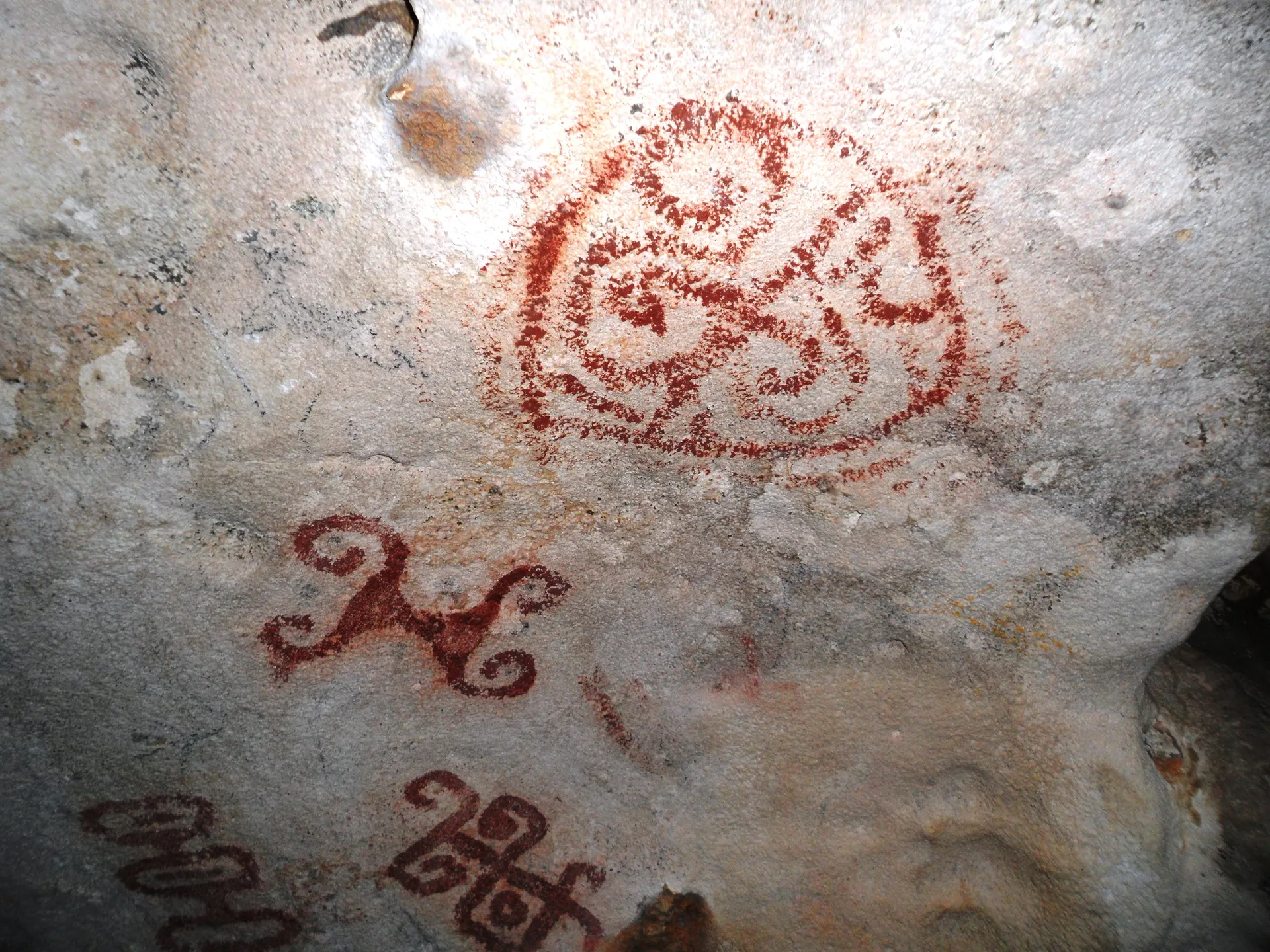
I have walked Arikok with small groups for eight years, and I still get the timing wrong when I am lazy about it. Turn up at the wrong hour in July and you spend the whole visit doing a slow, unbecoming shuffle between shade patches that do not exist. Turn up at the right hour, which is almost always in the first ninety minutes after the gate lifts at 08:00, and Fontein Cave hands you cool air, quiet passages, and Arawak drawings (Indian drawings in the old local signage) you can stand still and actually look at without a coach party breathing down your neck.
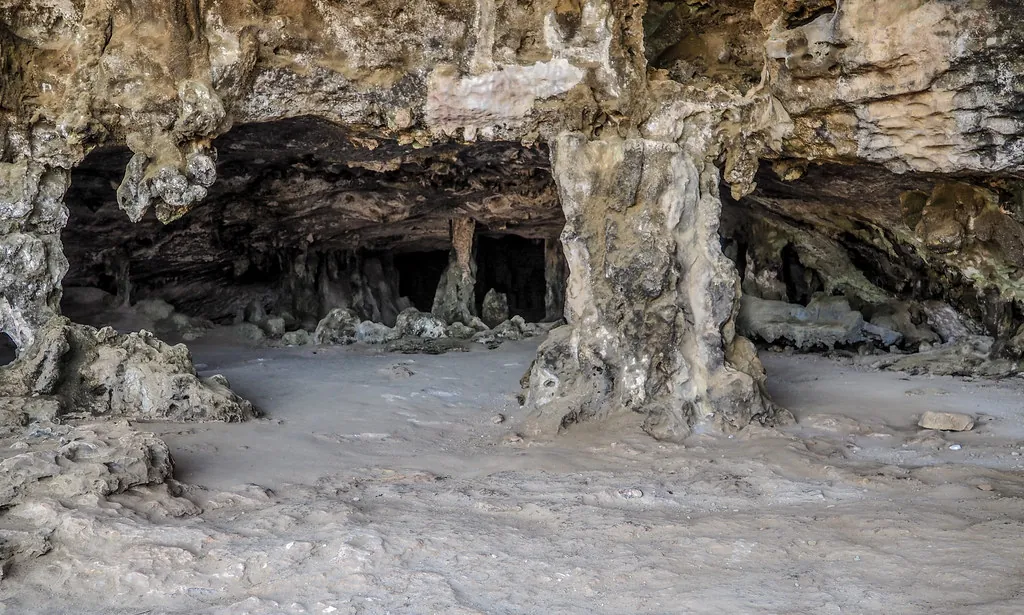
This guide is about picking a date and a clock-time rather than a month on a calendar. The park is inland, on the windward side of the island, and it does not behave like Eagle Beach or Palm Beach. Get the hour right and even a hot week in September turns into a good day out.
The Short Answer
Best Months
February to May. Dry ground, clear light, and a steady trade wind that keeps the interior from cooking.
Best Clock-Time
08:00 to 09:30, the first ninety minutes after the gate. Coolest air, softest light, shortest ranger queue at Fontein Cave.
Avoid
11:00 to 14:00 for heat, and 09:30 to 12:30 on cruise-surge mornings when three ships are in port.
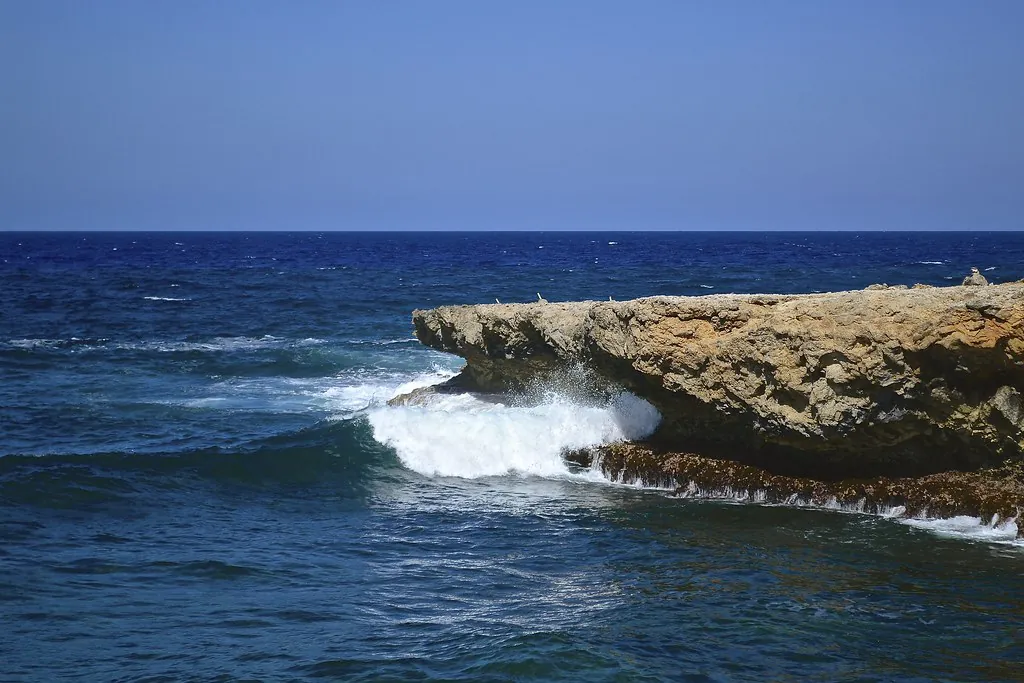
Why Timing at Arikok Is Not Like Timing at the Beach
On the coast you plan around sunburn and happy hour. Inside Arikok you plan against two hard walls: heat and closing time. The park gate opens at 08:00 and shuts at 16:00, and there is a ranger at the barrier who will not be talked into a five-minute extension. Add a third constraint and the puzzle gets tighter. Fontein Cave is ranger-accompanied, which means groups go in one at a time, helmets on, and the capacity is limited by the ranger, not by the size of your vehicle.
The coastal breeze that saves you at Eagle Beach does not follow you inland. Arikok sits on the windward side where the wind is stronger but the terrain is hotter, and there is no sea to take the edge off. By midday the limestone has been soaking up sun for four hours and the air in the cave mouth feels like the inside of a parked car. Read the visitor rules before you go, especially the bits about touching the drawings and staying on marked paths, and you will have a much better visit overall.
Aruba’s Climate in One Paragraph
Aruba is a trade-wind desert. That is the whole trick. The island sits outside the main hurricane belt and takes roughly 470mm of rain a year, most of it in short, violent bursts between October and December. Temperatures barely move, hovering between 27°C and 32°C all year, so a “cool month” here is a myth worth ignoring. What does change is wind strength, rainfall, and humidity, and those three decide how the park feels underfoot. The Meteorological Department of Aruba publishes the official readings if you want to check conditions the week you fly.
Monthly Weather & Crowd Snapshot
These are working averages rather than gospel. Treat them as a planning tool and re-check against the Aruba Tourism Authority and meteo.aw before you lock in dates.
| Month | Avg High (°C / °F) | Rainfall (mm) | Crowd Level | Best Time of Day | How It Feels in the Park |
|---|---|---|---|---|---|
| January | 30 / 86 | 45 | High (cruise peak) | 08:00–10:30 | Breezy and dry, ideal walking weather |
| February | 30 / 86 | 30 | Very high | 08:00–10:00 | The sweet spot. Firm tracks, clear skies |
| March | 31 / 88 | 20 | Very high | 08:00–10:00 | Driest month. Dusty, brilliant light |
| April | 31 / 88 | 15 | High but easing | 08:00–10:30 | Best all-round balance of heat and crowds |
| May | 32 / 90 | 15 | Moderate | 07:55–10:00 | Hotter, quieter, still dry underfoot |
| June | 32 / 90 | 20 | Low | 08:00–10:00 | Quietest window opens. Start early |
| July | 32 / 90 | 25 | Low to moderate | 08:00–10:00 | Humid, afternoon cloud building |
| August | 32 / 90 | 30 | Moderate | 08:00–10:00 | Hottest stretch. Carry double water |
| September | 32 / 90 | 45 | Low | 08:00–10:30 | Peak hurricane month. Watch forecasts |
| October | 31 / 88 | 75 | Low | 08:00–10:30 | Wettest, tracks rutted after showers |
| November | 31 / 88 | 90 | Rising | 08:00–10:30 | Cruise season returns. Rain eases off late |
| December | 30 / 86 | 65 | Peak from mid-month | 08:00–10:00 | Busy again, festive, still manageable early |
The Dry Season: January to May
This is the window most people book, and for good reason. The ground is firm, the tracks are passable in an ordinary hire car, and the light on the desert scrub is at its cleanest. April and May are the ones I push people towards. You get the dry-season reliability without the February hotel prices or the three-ship mornings that turn the Fontein Cave ranger queue into a small, patient queue of its own.
Wind strength peaks around the same time, which is the part travellers underestimate. A steady 25km/h trade wind sounds pleasant until you are standing on the exposed ridge near the visitor centre with a hat that has just left your head. It also dries the ground quickly, which is why the dry season tracks hold up so well. For a full picture of how the seasons fold into a single day, see the Arikok National Park and cave pool status page.
My rule for guests, repeated so often they can finish the sentence: through the gate by 08:15 or don’t bother until 13:30. The hour in between belongs to the coaches. Bring a headtorch, keep your hands off the drawings, and leave the sketchbook in the car until you are out of the dust.
The Wet Season: October to December
“Rainy season” is a misleading phrase here. Aruba does not do drizzle for days on end. It does short, aggressive afternoon showers, which locals call a chubasco, and then the sun comes straight back out and turns the whole park into a steam room. The real hazard is not the rain falling on you. It is the standing water that gathers in the rooi (dry riverbeds) and the ruts that appear on the unpaved park tracks, which a standard hire car will not thank you for.
November is the wettest month on the books and also the month cruise season restarts, which makes it the oddest combination of weather and crowds on the calendar. If you are set on visiting in this window, book a guided 4×4 or jeep option rather than a self-drive, simply because the vehicle and the driver know the tracks. The Fontein Cave tours and ticket options page lays out what is bundled with what.
Heat and the Interior Microclimate
By mid-afternoon Arikok runs several degrees hotter than the coastal hotel strip. The limestone and volcanic rock hold heat and release it slowly, and between the visitor centre and the cave entrances there is almost no shade to speak of. This is why timing matters more than volume when it comes to water. Drinking two litres at once at 13:00 does nothing useful. Drinking 500ml before you leave the car, another 500ml on the walk in, and the rest in steady sips is what keeps you upright.
- Start with a full bottle already finished before you set off, not after.
- Wear a hat with a chin strap. The trade wind will take anything looser.
- Sturdy closed shoes, not flip-flops. The path into Fontein Cave is uneven limestone.
- Leave the midday slot for the visitor centre and orientation displays, which have shade and water.
Hurricane Season, Framed Honestly
The Atlantic hurricane season runs June to November, with the statistical peak in September and October. Aruba sits south of the main development zone, so the island mostly dodges direct hits, and that is a genuine advantage rather than a marketing line. The knock-on effects do reach you, though. Airport disruption from a system passing near the Lesser Antilles can strand a flight, and the park sometimes closes sections of track for repair after heavy rain. Check the Government of Aruba notices and the park’s own site before you commit to a long drive.
February to May gives you the best odds. The best hours are the same in every month: the first ninety minutes after the gate.
The Crowd Calendar: Cruise Season vs Stay-Over Season
Cruise calls concentrate roughly from November through April, and the stay-over market peaks from mid-December to mid-April. Those two surges overlap, which is why late winter feels busier inside the park than the raw visitor numbers suggest. June to August is the quietest window for the park itself, and the price you pay is heavier afternoon showers and a stickier humidity.
Cruise Surge Days and How to Dodge the Buses
The single most useful habit I can give you is checking the port schedule the night before. The Aruba Ports Authority cruise schedule lists every ship call by date and berth, and a three-ship morning changes the character of Fontein Cave completely. The ranger queue stretches, the cave tour shortens, and the walk from the car park turns into a shuffling line of sun hats.
On a surge day, be through the gate by 08:15 or wait until after 13:30. There is not much of a middle path. The buses arrive in a wave and leave in a wave, and the gap between them is where a good visit lives.
Tour Departure Waves, Mapped
Most operators follow a predictable rhythm because the park gate forces them to. Knowing the wave tells you which slot to book, and the answer is nearly always the earliest.
| Tour Type | Departure | Arrival at Arikok | Crowd Level | Notes |
|---|---|---|---|---|
| Self-drive (own or hire car) | 08:00 gate | 08:10–08:30 | Lightest | Best odds on everything. Check the transport guide first |
| Private 4×4 or jeep | 08:00 | 08:30 | Low | Beats the coach wave. Options on the private Arikok jeep tour run |
| Small-group morning jeep safari | 08:30 | 09:00 | Moderate | Still ahead of the coaches. See the Arikok jeep safari |
| Coach and large jeep groups | 09:00–09:30 | 09:45–10:15 | Heavy | The wave to avoid if you can |
| Cruise-ship shuttle | 09:30–12:30 | 10:00–12:45 | Peak | Three-ship days fill the ranger queue |
| Afternoon jeep run | 13:00 | 13:30 | Light | Hotter, but the cave is quiet again |
Best Light for Photos in Fontein Cave & Arikok
Sunrise and the first two hours give you the desert and the north coast at their best, when the light is low and the shadows stretch long across the divi-divi trees. That is the exterior advice, and it is the standard advice for a reason.
Cave interiors flip it on its head. Fontein Cave needs no sunlight at all, so the “golden hour” logic does not apply inside. What matters is contrast control, dust, and the fact that midday is the worst possible hour for photographing petroglyphs. You walk in from glaring sun, your eyes take several minutes to adjust, and a phone camera left on auto will either blow out the cave mouth or crush the drawings into murk. Turn the flash off unless a ranger tells you otherwise, brace against the rock, and use a slow shutter. There is more on angles and settings in the Fontein Cave photos guide.
Backup Plans for Rain
The dry season rarely ruins a plan. When a wet-season shower does roll through, the smart move is to stay off the unpaved tracks rather than push through them. Ruts form quickly and the park closes sections when they become unsafe.
- Wait it out at the visitor centre, which has shelter, displays, and toilets.
- Drive south to San Nicolas for the murals and a long lunch while the ground drains.
- Push your cave visit to the following morning rather than the same afternoon.
- Re-check the park status page for track closures before setting out again.
Getting Your Bearings
Arikok has two main entrances, one at San Fuego on the Santa Cruz side, which is where the visitor centre sits, and one out on the northeast coast, and the drive time between them is not trivial. Download an offline map before you leave your hotel, because mobile signal inside the park is patchy at best. The Fontein Cave map and location guide has the GPS coordinates, the nearest entrance, and the walking distance from the car park.
If you want the petroglyph context before you arrive, the history and Arawak drawings page is the place to start, and the best caves in Aruba comparison helps if you are building a cave day rather than a cave hour.
Book Your Arikok Visit
February to May, gate-side by 08:15, back in the car before the heat peaks. That is the formula, and it works in eleven months out of twelve. Pick your slot on the calendar, then pick your operator.
Official Resources
- Arikok National Park official site for current opening hours and entry fees.
- Aruba Tourism Authority for island-wide events and seasonal information.
- Aruba Ports Authority cruise schedule for checking ship calls before you choose a date.
- Meteorological Department of Aruba for rainfall and wind forecasts.
- Government of Aruba for official notices and park closure announcements.