Must-Try Aruban Food & Drinks After Arikok
The Post-Cave Appetite: Stepping Out of the Limestone
Two hours inside Fontein Cave leaves you with a peculiar set of symptoms: chalk dust on your forearms, a crick in the neck from staring up at the Arawak drawings, and a hunger that arrives without warning. The cave holds a steady, humid cool while the desert outside climbs past thirty degrees, so the walk back to the car feels like leaning into an oven door. You have been sweating quietly the whole time. Salt goes first, then patience.
The reward at the end of an Arikok morning is not a spa and it is not a cocktail with an umbrella. It is a paper bag, warm through the middle, handed to you through a hatch. Aruba food is built for exactly this moment: fast, salty, cheap, and designed to be eaten standing up beside a rental car with dust still on your shins.
Set expectations before you set off. There is nothing inside Arikok National Park worth planning a meal around. The visitor centre near the San Fuego entrance keeps cold drinks and a few packaged snacks, which is precisely what you want at half eleven and nothing more. Real plates begin outside the gate, and the official park site lists the opening hours you need to work around. For park fees and entry rules, see our guide to Arikok National Park fees and entry tips.
Arikok has two working exits, and which one you take decides your lunch. San Fuego, on the Santa Cruz side, drops you towards the middle of the island and the fastest pastechi on your route. Vader Piet, up on the north coast past the Natural Pool, points you south towards Savaneta and San Nicolas. Read the transport and access guide before you drive, and keep the map page open offline, because signal inside the park is patchy and the signage is modest.
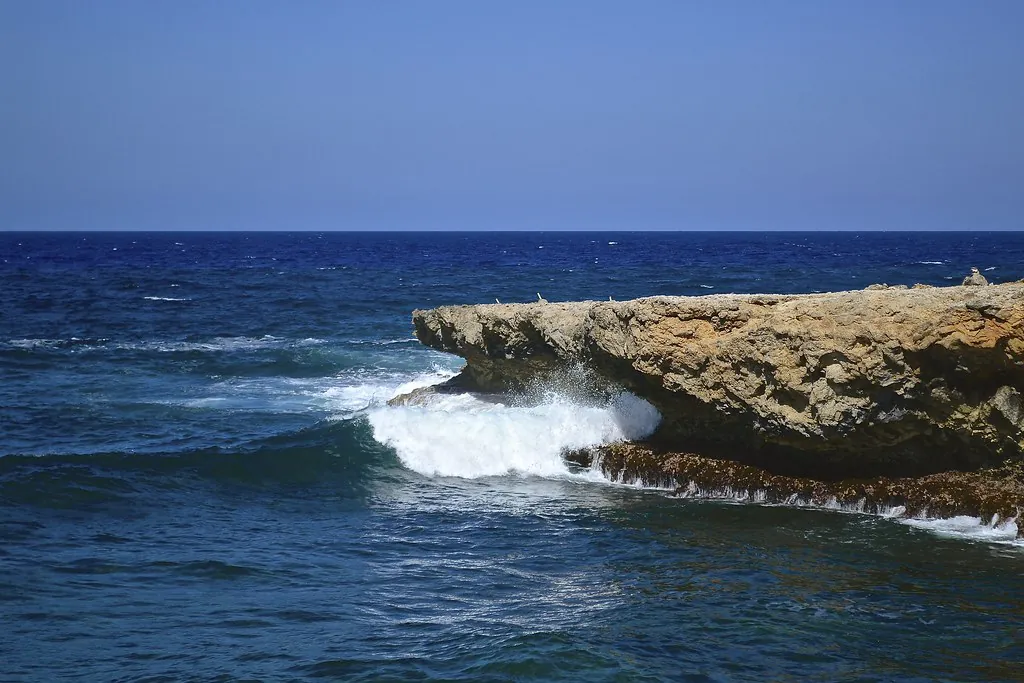
Carry at least one and a half litres of water per person through the cave section, then drink something with salt or sugar in it once you are back at the car. Cramp tends to find people on the drive home rather than on the trail, which is a miserable place to discover you have been under-drinking.
Quick Decider: Post-Arikok Food Options by Exit and Budget
| Route Out of Arikok | Closest Food Cluster | Drive Time | Budget for Two | Best For |
|---|---|---|---|---|
| San Fuego Gate to Santa Cruz and Paradera | Roadside stands and local lunchrooms | 10-15 min | Afl. 20-40 (US$11-22) | Pastechi, funchi, quick island plates |
| San Fuego Gate to Oranjestad | City centre, Wilhelminastraat, Renaissance Mall | 25-30 min | Afl. 80-150 (US$45-84) | A seated lunch with air conditioning |
| Vader Piet Gate to Savaneta | Savaneta waterfront and Seroe Colorado | 15-20 min | Afl. 60-160 (US$34-89) | Catch bought by weight, pier tables |
| Vader Piet Gate to San Nicolas | San Nicolas centre and Baby Beach | 20-25 min | Afl. 35-80 (US$20-45) | Hearty plates, cold beer, painted walls |
| Either gate to Noord and Palm Beach | Palm Beach strip and Noord | 35-45 min | Afl. 110-220 (US$61-123) | Late lunches, cocktails, resort kitchens |
One money note before the food. The Aruban florin is pegged at Afl. 1.79 to the US dollar, a rate held by the Centrale Bank van Aruba, and every figure here is given in both currencies. Dollars turn up in most tills, usually at Afl. 1.75, which quietly costs you a couple of per cent on every round. Euros are a poor choice on the island. You will lose more on the exchange than you would on a pastechi.
A Menu Decoder in Papiamento
Aruba’s kitchen carries several centuries of traffic in it: Arawak and African roots, Dutch and Portuguese-Jewish traders, Javanese and Chinese contract workers, Spanish and Venezuelan neighbours. The vocabulary on the menu boards is where that history surfaces. Learn ten words and you can order anywhere on the island without pointing at somebody else’s plate.
The Savoury Side
- Pastechi (pas-TEH-chee): a half-moon pastry, deep-fried until the edges blister. Fillings run from keshi (cheese) to carne (spiced beef) to tuna.
- Keshi yena (KESH-ee YEH-na): literally “stuffed cheese”. Spiced meat baked inside a hollowed cheese rind.
- Pan bati (pan BAH-tee): a dense, faintly sweet flatbread, served next to stews and soup.
- Funchi (FOON-chee): cornmeal pudding, sliced and often fried. Aruba’s answer to polenta.
- Stoba (STOH-ba): a slow-cooked stew, usually goat, beef or chicken, with a deep brown gravy.
Fish, Sweet and Everyday
- Sopi (SOH-pee): soup, and the word you want on a Friday when the fish sopi is on.
- Pisca (PIS-ca): fish. Ask what came off the boat that morning.
- Cabrito (ka-BREE-toh): young goat, braised until it lets go of the bone.
- Bojo (BOH-yo): a dense cake of grated coconut and cassava. Heavy, sweet, better shared.
- Dushi (DOO-shee): sweet. You will see it painted on carts, cake boxes and the occasional number plate.
The Big Three: Pastechi, Keshi Yena and the Catch of the Day
If you only have room for one must eat in Aruba, make it the thing you can hold in one hand while your other hand digs for the car keys. Everything else can wait until you have showered.
Pastechi: The First Thing You Eat
A proper pastechi comes out of the oil with bubbles across the surface and a faint sheen that tells you it has not been sitting under a heat lamp. The pastry is thin enough to crack rather than tear. Inside, the cheese version is the one to order first, though the tuna and the spiced beef earn their place, and the pizza filling exists purely for children and hungover adults.
Mind the temperature. That cheese holds heat like a pocket of lava, and I have watched a grown man in Santa Cruz burn the roof of his mouth badly enough to lose the pleasure of the second one. Bite the corner, wait, then commit.
Bright Bakery, with branches in Oranjestad and Santa Cruz, is the dependable name, and the snack counters bolted onto petrol stations in Santa Cruz and Paradera turn out decent ones at odd hours. Expect Afl. 2.50 to Afl. 5.00 each (US$1.40 to US$2.80). The tourist-strip version, sold from a glass case near the high-rise hotels, costs two or three times as much for thicker dough and a cooler middle. It tastes like a decision made by a committee.
Keshi Yena: The Dish to Take Seriously
Keshi yena began as thrift. A Dutch Edam or Gouda wheel would be hollowed out, the removed cheese eaten or sold, and the empty shell packed with spiced chicken or beef, raisins, olives, capers, peppers and sometimes a little egg, then baked until the rind softened into the filling. Most kitchens now build the same mixture in a baking dish with a cheese lid on top, which is quicker and nearly as good.
Order it at a local lunchroom in Santa Cruz or central Oranjestad, where it arrives with funchi or rice and a heap of fried plantain for Afl. 18 to Afl. 30 (US$10 to US$17). Anyone with a dairy problem should step away, because the cheese here is not a garnish. It is the architecture.
Fresh Catch: The Savaneta Run
Savaneta is still a fishing village, and it is the correct answer to lunch after the cave. At Zeerovers you queue at the counter, choose your fish by weight, and eat on a wooden deck over the water with chips and fried plantain on the side. Marina Pirata sits out over the shallows a little further along. Flying Fishbone takes the same idea and dresses it up, with tables in the sand and a wine list, so book ahead and leave the cave dust in the car. O’Neil’s down in Seroe Colorado is the quieter alternative when the pier places are heaving.
Expect Afl. 35 to Afl. 60 per kilo (US$20 to US$34) depending on species and season. Ask what came in that morning rather than ordering from the printed list. On the barracuda question, size matters: the big ones carry a ciguatera risk and many kitchens will steer you away from them. Lionfish is the better story and the better plate, since it is invasive, easy to cook and genuinely good eating. Ordering it is a small act of conservation.
After two hours crawling under petroglyphs in thirty-degree heat, a greasy paper bag of warm cheese pastechi is the finest thing money can buy on this island.
Where to Eat: Post-Cave Spots by Region
Four clusters do the heavy lifting for anyone coming out of Arikok. Which one you pick depends on your exit gate, the time on the clock, and how much sand you are willing to sit in.
San Nicolas and Baby Beach
- Charlie’s Bar in San Nicolas is the institution: every wall covered in business cards and murals, cold beer, generous plates. It has been there since 1941 and it opens on Sundays when much else does not.
- Kamini’s and the small kitchens around the San Nicolas centre serve fish soup and stoba at prices that make Palm Beach look absurd.
- The Baby Beach grill circuit runs on smoke and paper plates, best between noon and two.
- Sunday is the local problem day. Several kitchens shut, so call before you drive south.
Savaneta and Seroe Colorado
- Zeerovers for weight-priced fish and pier seating. Lunch beats dinner here for freshness and for shade.
- Marina Pirata for a table over the water without the ceremony.
- Flying Fishbone when you want the toes-in-the-sand version of the same view.
- O’Neil’s for a quieter, simpler plate on the Seroe Colorado side.
Santa Cruz and Paradera
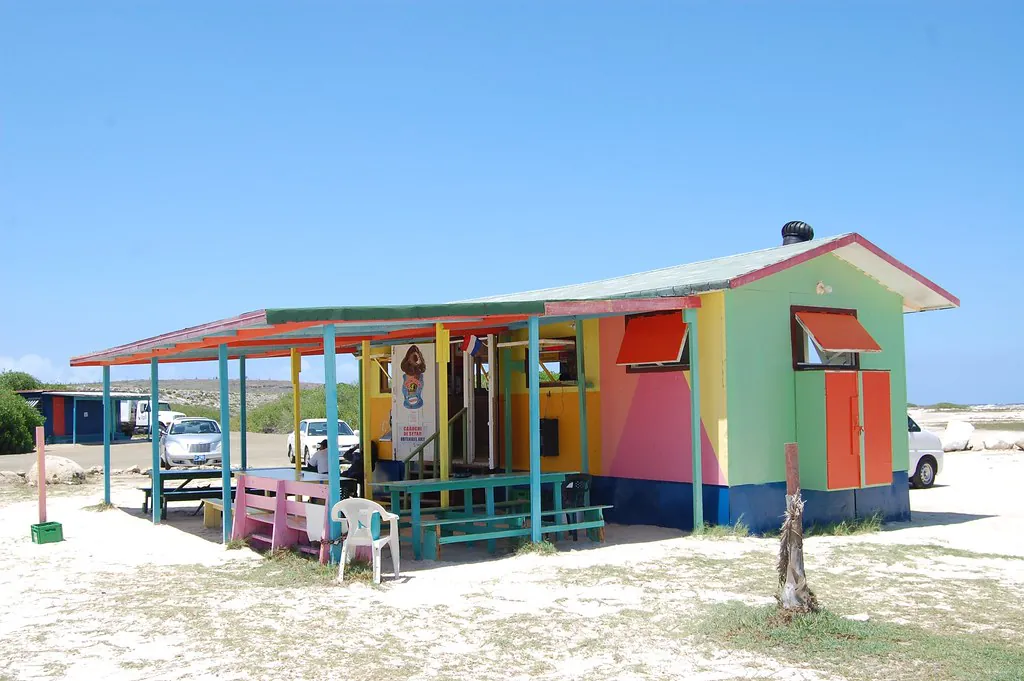
- The cheapest and most interesting food on this list sits on the main road between the two, sold from huts and converted garages.
- Look for funchi and stoba on a chalkboard, or a tray of warm pastechi behind a fly screen.
- Most of these places close by mid-afternoon, so this is a lunch-only plan.
- Cash is king. Bring small florin notes and do not expect a card machine.
Oranjestad and Noord
- Central Oranjestad gives you air conditioning, proper menus and the widest choice for mixed dietary needs.
- Wilhelminastraat and the streets behind the Renaissance Mall hold the good lunch counters and cafes.
- Noord and Palm Beach run later, which suits anyone leaving the cave after three in the afternoon.
- Resort kitchens will do a decent keshi yena, though it is rarely the best version on the island.
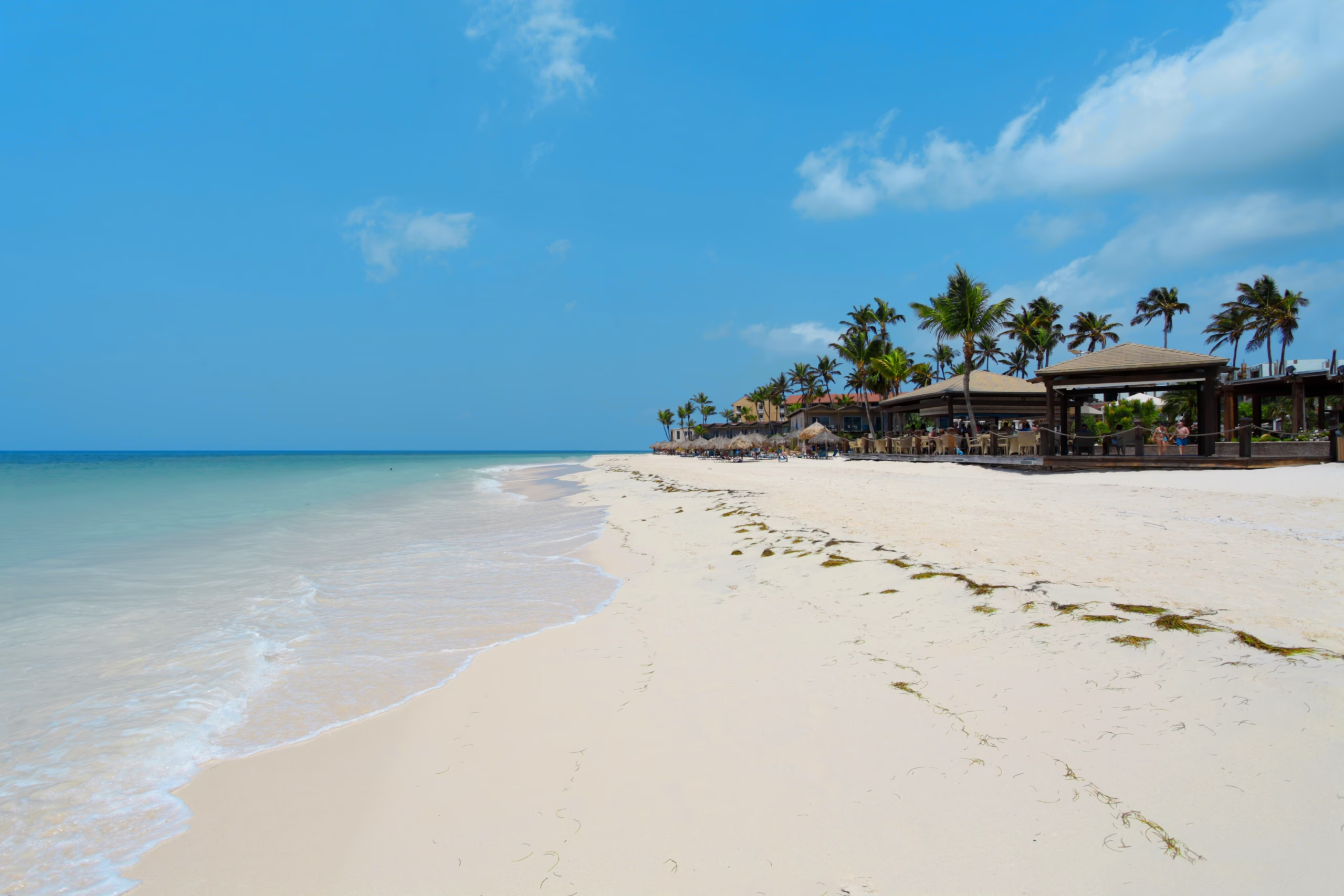
Drinks That Revive You: Aloe, Tamarind and Cold Balashi
Salt leaves your body faster than water does, which is why plain bottled water can leave you feeling flat an hour after the cave. The island’s own answers to that problem beat anything from a sports drink bottle, and most cost less than a coffee at home.
- Tamarinde (tamarind juice): sour, sweet and faintly savoury. Sold in litre bottles at snack bars and supermarkets. It works better than anything else I have tried on a cave-dehydrated palate.
- Lamunchi: limeade, sometimes blended with mint. Ask for it “sin suku” (without sugar) if you want something properly sharp.
- Batido: milk or water blended with papaya, mango or soursop. Thick enough to count as a snack.
- Aloe: Aruba Aloe has been growing and processing the plant at its Hato facility since 1890, and the juice and iced tea versions turn up across the island. The Oranjestad factory visit is a decent air-conditioned hour when the heat becomes a faff.
- Coconut water, straight from a roadside shell, is the simplest option of the lot.
- Malta: a sweet, unfermented barley drink. An acquired taste, and one worth acquiring at least once.
- Balashi: the local lager, brewed on the island. Cold, crisp, and best saved until you are parked for the day.
Tap water in Aruba is desalinated seawater, safe to drink and tastes clean. Refill your bottle at the hotel before you leave, and you will save enough on bottled water across a week to pay for a decent lunch.
Local Fruit and the Roadside Stands
Ask what fruit Aruba is known for and the honest answer is kenepa (chenette), the small green-skinned fruit that ripens in bunches in late summer, sold in bunches on roadside tables and eaten by the handful. It is sour when underripe, honeyed when it is not, and it stains your fingers. Nobody who grows up here is neutral about it.
Mango season runs roughly August to October and the local fruit is smaller and more fragrant than anything shipped in. Papia (papaya) turns up at breakfast everywhere. Patia (watermelon) and sorsaka (soursop) appear at stands through the wetter months, and the cactus fruit known locally as tuna arrives in the same window as the kenepa.
The best stand route is the Santa Cruz to Paradera road, where wooden carts carry hand-painted signs and the word dushi in looping letters. Prices are by the piece or by weight, cash only, and nobody minds if you ask for a taste. Do not carry fruit into Arikok with you. The park asks visitors to leave nothing behind, and that includes mango stones. The visitor rules page covers the rest of the etiquette for the cave itself.
Sweets Worth the Detour
Aruban baking leans hard on coconut, cassava and sugar, and if you have any room left after a Savaneta lunch, these are the ones to spend it on.
- Bojo: grated coconut and cassava, dense and sticky. One slice feeds two people who claim not to want dessert.
- Sunchi: crisp little meringues, sold by the bag, dangerously easy to eat in the car.
- Huchada: a sweet pastry filled with guava or coconut. Santa Cruz is the place to find them fresh.
- Bolo pretu: the dark fruit cake, soaked and spiced. A Christmas staple that appears year-round in some bakeries.
- Pudding di pan: bread pudding, often with raisins, and best warm.
Bright Bakery is the reliable chain, and the bakery counters inside the larger supermarkets are worth a look when the small places have closed. Most of these shut on Sunday, so plan your sweet stop for a weekday afternoon.
Local tip: if you drive south towards San Nicolas, pull over at any shack with a handwritten sign for “pastechi caliente”. Eat it leaning against the bonnet of the rental car before the pastry loses its blistered crunch, because it will be ordinary within ten minutes and you will have missed it.
Practical Dining Logistics for Cave Explorers
Local kitchens in Aruba run two shifts: roughly half eleven to three in the afternoon, then six until ten at night, with a dead zone in between when almost nothing hot is served. Sit-down restaurants in Oranjestad and Palm Beach start dinner around half six. Sunday shuts a lot of the local places, and Monday is a common second closing day, so a Sunday visit to San Nicolas needs a phone call first.
Paying, Tipping and the Florin
- Cash still rules at stands and small lunchrooms. Carry around Afl. 50 in small notes and coins.
- Cards work in most restaurants, though some set a minimum of roughly Afl. 25.
- Do you tip waiters in Aruba? Yes, and 15% is the standard where the bill does not already carry a service charge. Plenty of places add 15% automatically, so read the slip before you add more.
- Bar staff get Afl. 1 to Afl. 2 per round. Taxi drivers are generally rounded up rather than tipped.
- Pay in florins where you can. Dollars are accepted at roughly Afl. 1.75 while the official peg is Afl. 1.79, and that gap adds up over a week.
- The thing to beware of in Aruba is not crime, it is the sun, the sea and restaurants that add a service charge and then leave a second tip line on the card slip.
Dietary Notes
- Vegetarian: cheese pastechi, funchi, pan bati, rice and beans, fried plantain and most side dishes. Ask whether the beans were cooked with meat stock.
- Vegan: trickier. Fried funchi with okra, plain rice and grilled vegetables are the safe ground. Say clearly what you cannot eat.
- Gluten-free: funchi, rice, plain grilled fish and fresh fruit are naturally free of gluten. Pan bati and arepita are made with wheat flour, and pastechi pastry is wheat through and through.
- Dairy: keshi yena is the obvious risk, along with cheese pastechi and a fair share of the desserts.
- Nuts: satay sauce and many Javanese dishes carry peanuts, often without warning on the menu.
- Halal and kosher: there is no certified kosher kitchen operating on the island and halal options are limited, so ring ahead rather than assume.
The Four Route Plans
- San Nicolas loop, twenty to twenty-five minutes from Vader Piet. Charlie’s Bar for a late lunch and a cold beer, then Baby Beach for a swim. Budget Afl. 35-80 for two.
- Savaneta and Seroe Colorado, fifteen to twenty minutes from Vader Piet. Fish by weight at Zeerovers, tables on the water, done by three. Budget Afl. 60-160 for two.
- Santa Cruz and Paradera, ten to fifteen minutes from San Fuego. Pastechi, funchi and roadside fruit, all in under an hour. Budget Afl. 20-40 for two.
- Oranjestad and Noord, twenty-five to forty-five minutes depending on your gate. Air conditioning, proper menus, the widest choice for fussy eaters. Budget Afl. 80-220 for two.
Dress, Timing and the Drive Home
- You will be dusty and damp after the cave. Keep a clean shirt in the car and a towel for sandy feet.
- Swimwear is not welcome in most lunchrooms, however close the beach is.
- Flying Fishbone and similar beach restaurants are relaxed about bare feet and firm about bookings.
- Lunch between noon and half one gets you ahead of the tour buses. By half two the popular places are full and the fish is thinner on the ground.
- Aruba enforces a low blood-alcohol limit and police checkpoints appear on the Savaneta and San Nicolas roads after dark. One cold Balashi with a long lunch is fine, a second is not.
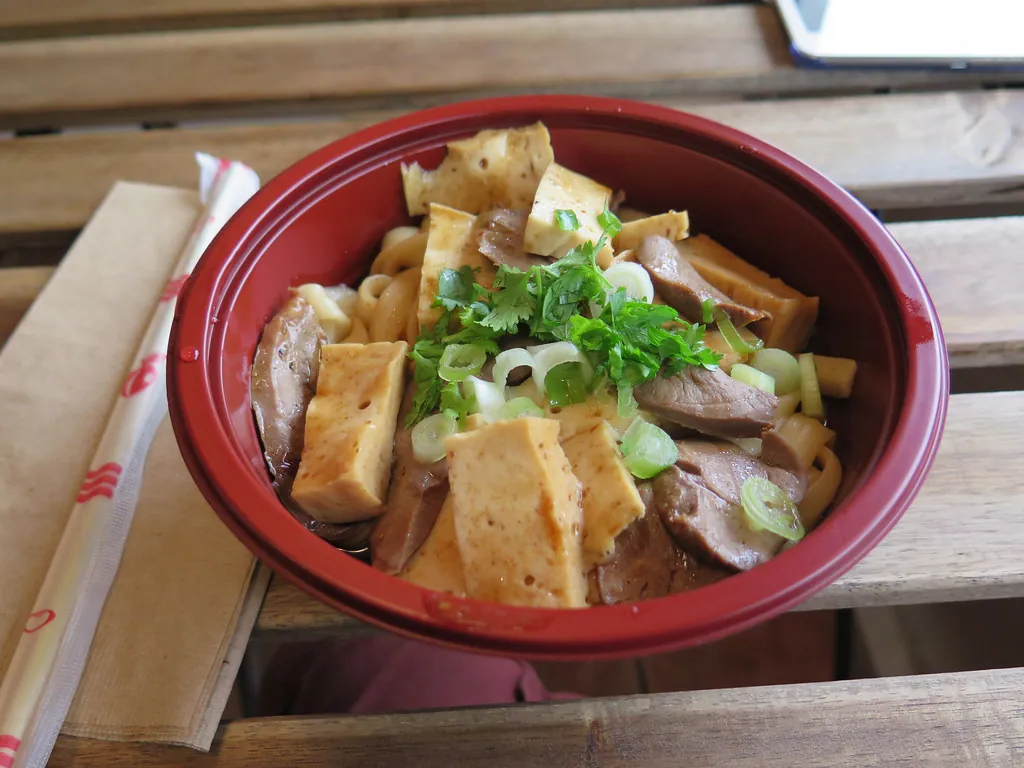
One last thought on the food question that everyone asks first. Aruba’s table is not a single cuisine and it never was, which is exactly why eating here after a morning under the petroglyphs works so well. You come out of a cave that has held Arawak marks for centuries, and you eat a pastry that came from somewhere else entirely and became Aruban anyway.
If you are still planning the morning itself, start with tickets and tour options, check how to get to Fontein Cave, and read up on the Arawak drawings and the cave’s history before you go in. Our Arikok National Park page covers the wider park and the cave pool status, the fees guide handles entry costs, and the main FAQ answers the rest in short form. If you want a second cave on the same day, the comparison of Aruba’s best caves will help you choose between Quadirikiri, Huliba and the Tunnel of Love. The photography guide is there for anyone who wants to know how to shoot in low light without flash.